
Sony Tightens Its Grip with PS5 Exclusives
Sony isn’t coasting. It’s doubling down on first party power plays while fine tuning the PS5 experience. Heavy hitting titles like Spider Man 2 and Horizon: Burning Shores have benefited from targeted performance patches higher frame rates, fewer crashes, and improved loading. Meanwhile, DLC expansions aren’t just filler. They’re bigger, better, and aimed squarely at pulling players deeper into closed ecosystems.
The console’s hardware software integration has hit a new gear, too. DualSense support is no longer a gimmick adaptive triggers and advanced haptic feedback are being used with real intent, not as throwaway features. Developers are treating the tech as part of the storytelling toolset, not just a peripheral.
UX updates have made small but impactful improvements. Boot times are shorter. The revamped digital storefront feels lighter, faster, and less buried in noise. Navigating sales or finding game updates doesn’t feel like a mini boss fight anymore.
The big shift with PS Plus is in how it’s being packaged. New tiered options, better backward compatibility, and day one access for select games put it in direct competition with Xbox Game Pass. It’s not there yet Game Pass still leads on volume but Sony’s quality over quantity approach fits its brand identity.
Lastly, indie devs are finally getting a real seat at the table. Q2 shows a clear pivot: more prominent indie placement in the store and behind the scenes support aimed at promotion and discoverability. It’s a smart move. While AAA titles drive headlines, indies build community and Sony needs both.
Call it sharpening the blade more than reinventing it. Sony’s playing to its strengths, and it shows.
Xbox Focuses on Cloud and Cross Play
Xbox isn’t standing still this quarter. Game Pass is tightening its grip as the platform’s backbone, with a smoother integration flow, more genre diverse additions, and day one releases that actually matter. Onboarding is faster, and UI tweaks make game surfacing feel smarter not just algorithmic noise. The catalog? Deeper, sharper, and with fewer filler titles padding the lineup.
On the gameplay front, flagship FPS titles think Halo, Call of Duty, and Battlefield are getting serious cross generational attention. Frame rate boosts, load times slashed, and Series X native features patched in with better reliability. For anyone still straddling console generations, this closes performance gaps with minimal friction.
xCloud is the slow burn revolution that’s picking up pace. In browser play is no longer a novelty it’s gaining traction in regions where console supply still lags. Global rollout isn’t instant, but pace is steady. Latency improvements and support for a wider device range are signs the bet on cloud is maturing.
On the dev side, Microsoft has opened up deeper access to Series X hardware features particularly GPU utilization and memory allocation controls. Translation: games that feel genuinely optimized, not just ported.
Signals of PC console convergence are getting louder. Cross save, cross buy, unified achievement systems none of it’s revolutionary alone. But stitched together, they point to a platform vision less about boxes and more about ecosystems. That’s the long game Xbox is playing and right now, it’s playing it well.
Nintendo’s Steady Stream of Updates

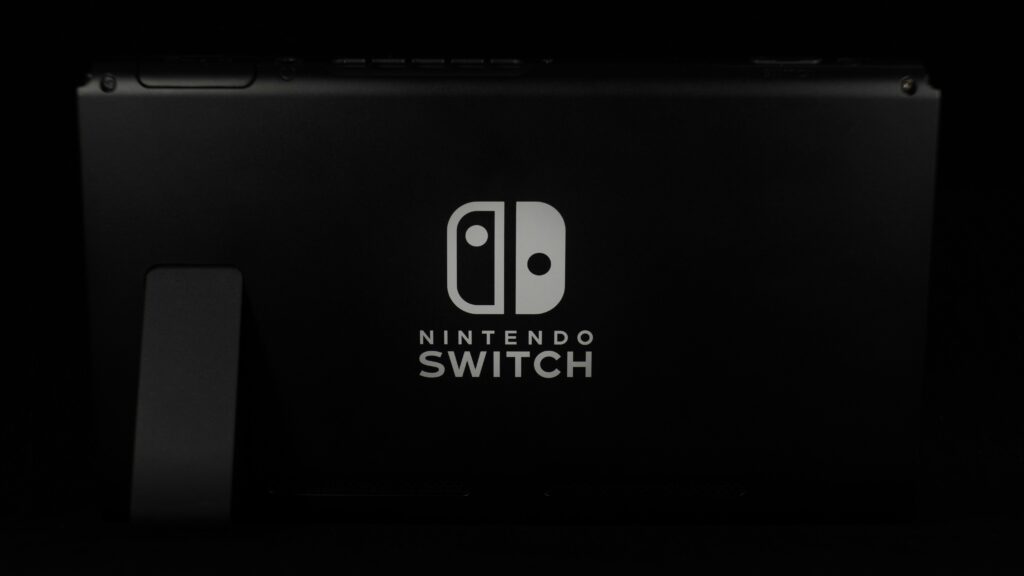
Nintendo isn’t moving fast but it’s moving deliberately. The OLED Switch has seen quiet improvements under the hood, particularly in how it manages power draw during intensive gameplay and sleep mode. Battery life stretches a bit longer, and thermal balancing seems more refined, even if no big firmware banner announced it.
The Expansion Pack, aimed at retro gaming fans, has also gotten better. Improvements in emulation accuracy and input lag are finally making titles like GoldenEye and F Zero feel more playable, not just nostalgic. It’s still not perfect but it’s more in line with what fans expected.
Meanwhile, Nintendo’s publishing tools are leaning harder into the indie scene. New backend features and documentation cuts some red tape, giving smaller studios a shot to get their games in front of Switch players faster. It won’t drown out the first party giants, but it offers more texture in the library.
On the delay front yes, it’s still Nintendo. But behind every hold up is polish. Whether it’s animation smoothing or quality checks on localization, the studio is leaning into refinement. Zelda and Metroid titles are seeing that care pay off behind closed doors, with internal dev tools upgrading how teams collaborate across stages. It’s slow going, but they rarely miss the mark when they finally land.
Hardware and OS Level Improvements Across the Big Three
Console makers aren’t chasing flash they’re tightening the bolts where it counts. Load times across major systems have been trimmed, largely thanks to smarter caching and more efficient SSD utilization. For players, that means jumping into games faster and spending less time staring at loading screens.
Frame rate stability has seen big wins too. Developers are better synchronizing game engines with hardware, keeping gameplay smoother even under pressure. That’s especially noticeable in high action titles and large open world experiences where hiccups used to be the norm.
Thermals also got attention this quarter. Improved heat sinks, adjusted fan curves, and smarter power algorithms are making newer consoles run cooler and a lot quieter. Less hum, more game.
On the UI side, game discovery just got less painful. All three platforms are pushing new layouts that surface recent plays, tailor suggestions based on behavior, and help spotlight under the radar indies. Nobody wants to scroll for fifteen minutes anymore just to find something decent.
And accessibility? It’s no longer a side feature it’s rapidly becoming industry standard. From customizable controls to text scaling and colorblind modes baked into firmware, devs and manufacturers are moving toward inclusivity by default, not as an afterthought.
What It Means for Players and Creators
The big three Sony, Xbox, and Nintendo are locked in a quiet arms race, and this competitive pressure is turning out to be a win for both ends of the player spectrum. Hardcore gamers are getting deeper integrations, smoother performance, and better cross platform functionality. Casual players? They’re seeing easier entry points, broader game access, and more forgiving pricing models through services like Game Pass and revamped digital storefronts.
Cross play isn’t a novelty anymore. It’s expected. Titles launching in 2024 are being built with platform agnosticism baked into their architecture. Whether you’re on console, cloud, or somewhere in between, you’re now part of the same ecosystem and publishers know it. That means more universal matchmaking, shared progression, and content momentum that translates across devices.
This shift also changes things for content creators. Console ecosystems are starting to drive not just what games are made, but how they’re filmed, streamed, and monetized. Better sharing tools, built in video capture, and audience first design are becoming part of the package. Monetization hooks affiliate links, live shopping, real time game mod integration are showing up more often, built into the content layer rather than slapped on after the fact.
For a broader lens on where the industry’s heading, check this gaming trend roundup.
In Context: The Bigger Gaming Picture
Game developers aren’t just reacting to trends they’re operating within a broader industry realignment. The push for cross platform compatibility, stronger cloud integration, and streamlined ecosystems reflects bigger bets being made on long term player retention. Studios are investing in fewer, more scalable infrastructures rather than scattering resources across outdated silos.
But while platform lock in is real Sony, Microsoft, and Nintendo all chase walled garden loyalty options haven’t shrunk. If anything, they’re multiplying. With more indie accessibility, better publishing pipelines, and cloud tech flattening hardware barriers, developers and players alike have more ways to plug in without feeling boxed in.
Zooming out reveals the bigger forces at play. For a wider angle look at how these pieces connect, check out the latest gaming trend roundup.

 Jennifer Brownoraser is the kind of writer who genuinely cannot publish something without checking it twice. Maybe three times. They came to expert insights through years of hands-on work rather than theory, which means the things they writes about — Expert Insights, Upcoming Game Releases, Esports Highlights and Coverage, among other areas — are things they has actually tested, questioned, and revised opinions on more than once.
That shows in the work. Jennifer's pieces tend to go a level deeper than most. Not in a way that becomes unreadable, but in a way that makes you realize you'd been missing something important. They has a habit of finding the detail that everybody else glosses over and making it the center of the story — which sounds simple, but takes a rare combination of curiosity and patience to pull off consistently. The writing never feels rushed. It feels like someone who sat with the subject long enough to actually understand it.
Outside of specific topics, what Jennifer cares about most is whether the reader walks away with something useful. Not impressed. Not entertained. Useful. That's a harder bar to clear than it sounds, and they clears it more often than not — which is why readers tend to remember Jennifer's articles long after they've forgotten the headline.
Jennifer Brownoraser is the kind of writer who genuinely cannot publish something without checking it twice. Maybe three times. They came to expert insights through years of hands-on work rather than theory, which means the things they writes about — Expert Insights, Upcoming Game Releases, Esports Highlights and Coverage, among other areas — are things they has actually tested, questioned, and revised opinions on more than once.
That shows in the work. Jennifer's pieces tend to go a level deeper than most. Not in a way that becomes unreadable, but in a way that makes you realize you'd been missing something important. They has a habit of finding the detail that everybody else glosses over and making it the center of the story — which sounds simple, but takes a rare combination of curiosity and patience to pull off consistently. The writing never feels rushed. It feels like someone who sat with the subject long enough to actually understand it.
Outside of specific topics, what Jennifer cares about most is whether the reader walks away with something useful. Not impressed. Not entertained. Useful. That's a harder bar to clear than it sounds, and they clears it more often than not — which is why readers tend to remember Jennifer's articles long after they've forgotten the headline.