
Circuit Paul Ricard is a world-famous motorsport race track located in Le Castellet, near Marseille, in Southern France. If you’re searching for circuit paul ricard hattu, you’re probably curious about the costs and prices associated with visiting this iconic venue. This guide will cover ticket prices for major events, track day costs for drivers, how to get there, and what to expect during your visit.
The circuit is known for its long Mistral Straight and those distinctive blue and red striped runoff areas. Pretty cool, right?
I promise a no-fluff, straightforward guide to help you plan your trip efficiently. Let’s dive in.
Understanding the Costs: Event Tickets and Track Day Fees
When it comes to attending major events like Formula 1 or GT World Challenge, knowing the costs upfront can save you a lot of stress. General admission tickets typically range from €50 to €200, or about $60 to $240 in USD.
Grandstand seats, on the other hand, can set you back anywhere from €100 to €500, or $120 to $600. The extra cash gets you better views and often more amenities, like reserved seating and sometimes even access to exclusive areas.
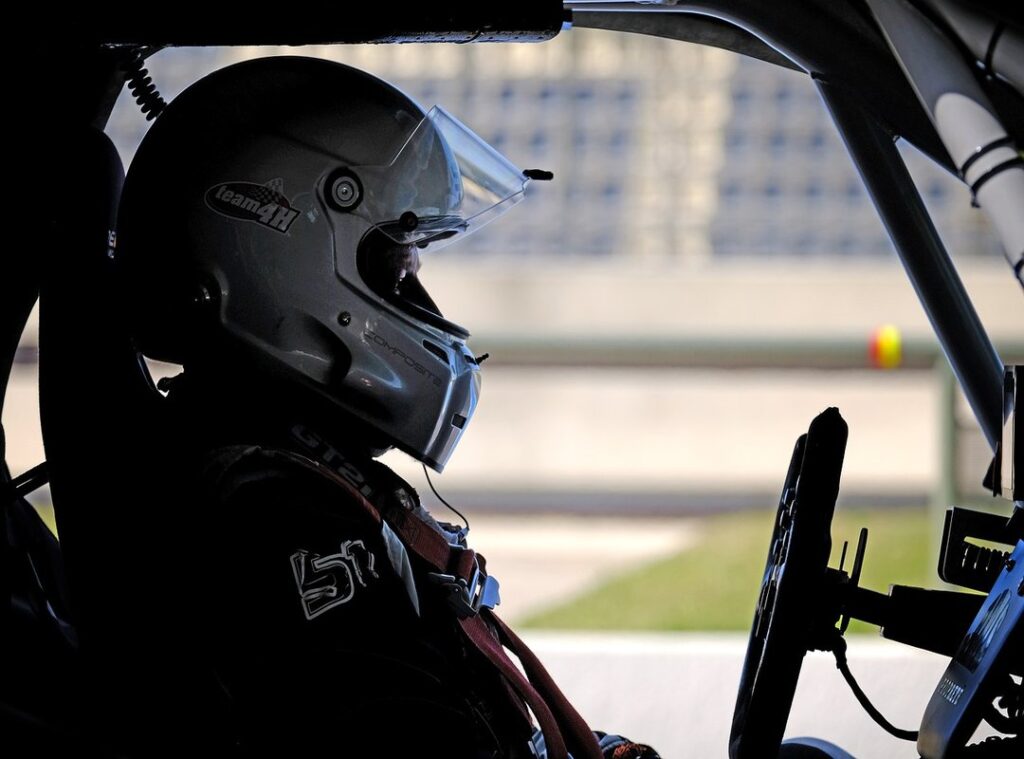
For those who want to get behind the wheel, participating in a public track day (also known as ‘trackday’ or ‘journée roulage’) has its own set of costs. Car fees usually start around €150 to €300, while motorcycles might be a bit less, ranging from €100 to €250.
Additional expenses can add up quickly. Vehicle rental for track days, helmet hire, insurance, and professional instruction fees are all things to consider. A helmet rental might cost around €20 to €50, and insurance can be another €50 to €100.
Professional instruction, if you’re new to the track, can run from €100 to €300.
- Book well in advance.
- Look for early-bird discounts on the official circuit website.
- Consider off-peak times for better deals.
- Join local car clubs for member discounts.
To avoid scams, always buy your tickets from the official circuit site or authorized resellers. For example, if you’re heading to Circuit Paul Ricard Hattu, go straight to their official site. This way, you can be sure you’re getting the real deal and not overpaying.
By understanding these costs, you can plan your budget better and make the most of your racing experience.
How to Get to the Le Castellet Circuit
First things first, let’s get you the full physical address: Le Castellet Circuit, 83330 Le Castellet, France. Easy to plug into your GPS.
If you’re driving, the best way to get there is via the A50 highway. Coming from Marseille or Toulon? The A50 will be your main route.
From Aix-en-Provence, take the A51 and then connect to the A50.
Parking on event days can be a bit tricky. There are several parking lots around the circuit, and the cost of a parking pass varies. Check the official website for the most up-to-date prices.
The main lots are usually within a short walk from the entrances.
Using public transportation? The nearest train stations are in Bandol and Toulon. From there, you’ll need to grab a taxi or shuttle bus to the circuit. circuit paul ricard
It’s a bit more of a hassle, but it’s doable.
For those flying in, the closest international airport is Marseille Provence Airport (MRS). The drive from the airport to the track takes about an hour. Plan for traffic, especially during major race weekends.
Pro tip: During big events, traffic can get really congested. Leave extra time to avoid stress.
And if you’re a fan of circuit paul ricard hattu, you’ll definitely want to make sure you don’t miss a moment of the action!
What to Expect During Your Visit
Race day at the circuit is electric. The roar of engines, the buzz of excited fans—it’s a sensory overload in the best way. You can feel the energy from the moment you step into the fan zones.
Restrooms, food and beverage stalls, merchandise shops, and first-aid stations are scattered throughout the venue. They’re easy to find, but it’s always good to know where they are before you need them.
For general admission ticket holders, I recommend checking out the corners and straights that offer the most thrilling action. The turns at circuit paul ricard hattu are especially exciting. You get to see the drivers push their limits and make split-second decisions.
Sunscreen, a hat, comfortable walking shoes, ear protection, and a portable phone charger—these are your essentials. Trust me, you don’t want to be caught without them. Sunburn and dead batteries can ruin a great day.
The circuit has a pretty clear policy on bringing your own food and drinks. Generally, non-alcoholic beverages and small snacks are okay. But leave the alcohol and large coolers at home.
It’s all about keeping things safe and manageable.
If you’re looking for something extra, the driving school and go-kart track are a blast. And if you want to make it a premium experience, the on-site hotel and restaurant options are top-notch. A little more expensive, sure, but worth it for the full experience.
Quick Facts and Track Layout Essentials

circuit paul ricard hattu is a notable track with a full Grand Prix circuit length of 5.842 km, featuring 15 turns, and it opened in 1969. The famous blue and red painted runoff areas serve specific purposes: the Blue Zone helps in slowing cars down, while the Red Zone is designed for more aggressive stopping.
The Mistral Straight is one of the longest straights in Formula 1, and a chicane often breaks up its full length, creating a key overtaking spot.
A unique feature of the circuit is its advanced sprinkler system, which can artificially wet the track for wet-weather testing.
Circuit Paul Ricard hosts major international racing series such as Formula 1, FIA WEC, and the GT World Challenge Europe.

 Ask Michelles Aultmanerics how they got into upcoming game releases and you'll probably get a longer answer than you expected. The short version: Michelles started doing it, got genuinely hooked, and at some point realized they had accumulated enough hard-won knowledge that it would be a waste not to share it. So they started writing.
What makes Michelles worth reading is that they skips the obvious stuff. Nobody needs another surface-level take on Upcoming Game Releases, Expert Insights, Player Strategy Guides. What readers actually want is the nuance — the part that only becomes clear after you've made a few mistakes and figured out why. That's the territory Michelles operates in. The writing is direct, occasionally blunt, and always built around what's actually true rather than what sounds good in an article. They has little patience for filler, which means they's pieces tend to be denser with real information than the average post on the same subject.
Michelles doesn't write to impress anyone. They writes because they has things to say that they genuinely thinks people should hear. That motivation — basic as it sounds — produces something noticeably different from content written for clicks or word count. Readers pick up on it. The comments on Michelles's work tend to reflect that.
Ask Michelles Aultmanerics how they got into upcoming game releases and you'll probably get a longer answer than you expected. The short version: Michelles started doing it, got genuinely hooked, and at some point realized they had accumulated enough hard-won knowledge that it would be a waste not to share it. So they started writing.
What makes Michelles worth reading is that they skips the obvious stuff. Nobody needs another surface-level take on Upcoming Game Releases, Expert Insights, Player Strategy Guides. What readers actually want is the nuance — the part that only becomes clear after you've made a few mistakes and figured out why. That's the territory Michelles operates in. The writing is direct, occasionally blunt, and always built around what's actually true rather than what sounds good in an article. They has little patience for filler, which means they's pieces tend to be denser with real information than the average post on the same subject.
Michelles doesn't write to impress anyone. They writes because they has things to say that they genuinely thinks people should hear. That motivation — basic as it sounds — produces something noticeably different from content written for clicks or word count. Readers pick up on it. The comments on Michelles's work tend to reflect that.