
Immediate Impressions
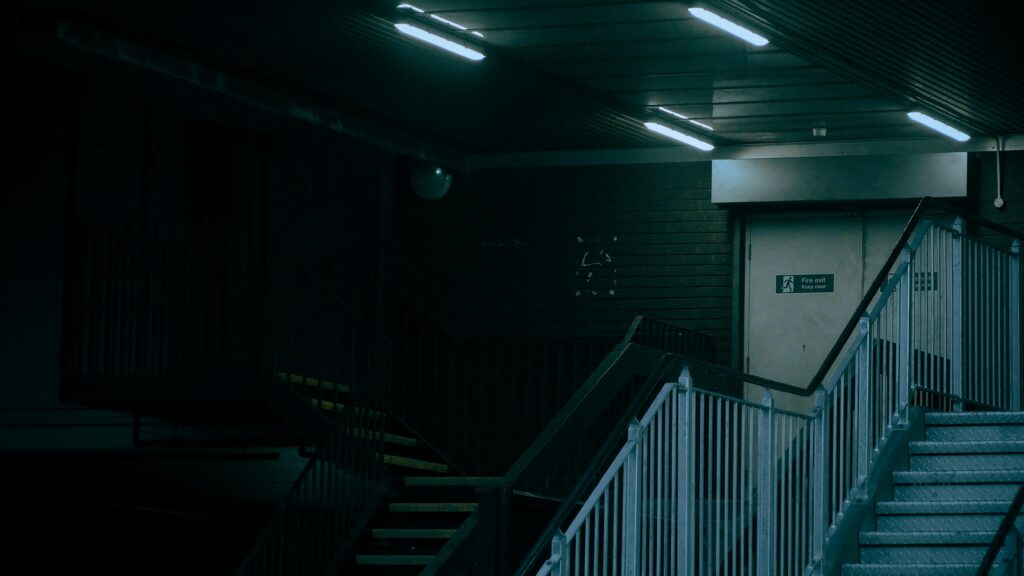
The first 15 minutes of the Dead Space remake don’t just nod at nostalgia they blast it through the hull. The USG Ishimura’s corridors hum with atmospheric dread. It’s quiet, mechanical, and cold. Then come the distant clanks, garbled intercom screams, and the unmistakable score that pulses just under your spine. If you played the original, muscle memory kicks in. If you haven’t, buckle up.
Audio gets first blood. The layered ambient sounds aren’t window dressing they’re the backbone of tension. Doors creak differently depending on what’s behind them. Machinery drones with menace. Your own footsteps echo in ways that mess with your nerves. It’s all tuned for discomfort.
On the visual front, it’s not just shinier lighting and particle dust. Lighting dynamics now play directly into how you navigate and interpret danger. Shadows mislead you. Hallways you thought you knew are darker, more claustrophobic. The original’s chunky textures gave way to finer grime, deeper torchlight cuts, and terrifying levels of detail in infected flesh. Environments feel more lived in and decayed, not just lit better.
Gameplay wise, the first chapter keeps you on script but allows just enough room to realize this isn’t a shot for shot remake. It plays leaner. Faster, but careful. It’s survival horror through and through, but you can feel the flex. It wants you to know this was rebuilt not reskinned. Yes, it’s scary. But it’s also showing its muscle: lighting simulation, spatial audio, and that buttery smooth transition from cutscene to horror beat.
In short: it hits hard, it hits smart, and it hits like it knows exactly what it’s doing.
Staying True With Upgrades
The Dead Space remake walks a tightrope between nostalgia and modernization and sticks the landing. The core beats of the 2008 classic are left mostly intact: the claustrophobic corridors, the tension first pacing, the iconic plasma cutter. It still feels like Dead Space, just cleaner, meaner, and equipped with 2024 muscle.
Controls have been reworked to match modern standards snappier aiming, smoother transitions between movement states, and significantly less input lag. The zero gravity sections, once an awkward novelty, are now fully explorable environments, with full 360 degree freedom and smart camera work that doesn’t sacrifice control for spectacle.
But the upgrades aren’t just mechanical. EA Motive slipped in subtle expansions to the storyline additional dialogue, revised logs, deeper background on minor characters. It’s not a rewrite, but a shadow layer that gives more dimension to existing events. These touches elevate the emotional impact without dragging the pace or alienating longtime fans. This isn’t just a coat of paint. It’s a respectful rebuild with meaningful bones beneath the polish.
Combat Revamp or Cosmetic Update?
The core combat loop in Dead Space always centered around methodical, brutal dismemberment. That hasn’t changed. What has? Now there’s weight to it legs buckle, torsos twist, bones snap with a sickening precision. The physics engine brings added bite to every plasma shot. It’s less “aim and click” and more “calculate and carve.”
As for the enemy AI, it walks a fine line. Necromorphs seem smarter sometimes ducking out of sight or flanking with intent but often it just feels like they take the express route to your jugular. Faster, yes. Tactical? Sometimes. It’s enough to keep you sweating, though veterans of the original may not be convinced it’s true intelligence.
Weapon balance got an overdue tune up. The Plasma Cutter’s still king, but others finally have a reason to come off the bench. The Pulse Rifle has tighter spread and real stopping power now, while the Force Gun feels less like a gimmick. Overall, pacing benefits you’re encouraged to swap loadouts and experiment, not just lean on muscle memory from 2008.
Audio Engineering That Deserves a Shout

If there’s one thing the Dead Space remake absolutely nails, it’s the sound design. From the moment you step onto the USG Ishimura, you’re submerged in an atmosphere crafted with a surgeon’s precision where silence is a weapon and every rattle, whisper, and metallic groan feels deliberate.
A Masterclass in Tension
Unlike other horror games that rely heavily on jump scares or music cues, Dead Space builds dread through sonic layering. The sound design sustains tension even in moments when nothing is happening on screen, creating an ever present sense of unease.
Distant mechanical clatters echo like dying heartbeats
Ambient audio shifts based on location and narrative beats
Whispers, groans, and footsteps real or imagined never let you feel alone
Sanity Linked Dynamic Audio
What’s new and deeply unsettling is how the audio evolves dynamically with your mental state. As protagonist Isaac Clarke becomes more psychologically strained, subtle changes in the soundtrack and ambient effects begin to warp:
Shifts in pitch and tone mirror rising stress levels
Soundscapes twist into something darker as tension builds
Cues trigger differently depending on how the player navigates encounters
It’s not just background noise it’s a psychological playbook hidden in plain sound.
Headphones Required (Seriously)
To fully experience the remake’s audio arsenal, headphones aren’t just recommended they’re essential.
Spatial audio enhances positional awareness in combat
Directional cues let you know when something is behind you or above you
360 degree design turns every corridor into a trap waiting to spring
Whether you’re new to Dead Space or a returning fan, the audio engineering sets a new standard for immersive horror. If the visuals pull you in, the sound makes you stay and sweat.
Where It Fell Short (If It Did)
For all its polish, the Dead Space remake isn’t flawless. The early game hits hard, but by the time you reach the midpoint, some pacing slack creeps in. It’s not that the story loses steam it just spreads itself thinner. Certain chapters feel padded, with long corridors and prolonged encounters that don’t always earn their screen time.
Side missions are a mixed bag. On paper, they add depth: more backstory, more character insights, more reasons to care. But in practice, they sometimes feel like homework. The payoff often doesn’t match the detour, and they occasionally undercut the tight, claustrophobic urgency that made the original so effective.
Then there’s the question of risk. EA Motive clearly respected the source material maybe too much. Yes, the remake is faithful, but almost to a fault. It upgrades and enhances rather than reinvents. There’s no bold narrative swerve, no gameplay evolution that redefines the genre. For players hoping this remake might push the boundaries the original once did, there’s a lingering sense of “what if.” Reverence is safe. Innovation makes history.
Final Verdict
For longtime Dead Space fans, this remake doesn’t just hit the mark it carves it into the hull. The tension, the dread, the iconic plasma cutter dismemberment it’s all there, rendered with fresh precision. EA Motive knew what not to mess with. This was a game with a cult following, and tampering too much would’ve been a fast track to alienating its base. The 2023 version feels like the definitive edition: cleaner, tighter, and less clunky than the 2008 original, without scrubbing away what made the game memorable in the first place.
Newcomers get the real deal too. You don’t need nostalgia to respect how well this game is built. The atmosphere grips hard, the combat mechanics have been sharpened, and the sound design alone can wreck your nerves. It’s a fully modern horror experience, not just a reskinned throwback. If you’ve never played it before, this is the version to start with. No prior knowledge required just a tolerance for sustained terror.
That said, EA Motive stayed in the lines. Maybe too much. While “don’t break it if it works” applies here, some fans and critics hoped for a bolder leap a few more surprises, more drastic reinterpretations, or expanded zones. There were chances to push further into new territory, but the studio played it safe. In fairness, it paid off. This isn’t reinvention. It’s restoration done right. And sometimes, that’s enough.
Want More on Timing and Dev Cycles?
Understanding where the Dead Space remake fits into EA’s wider release strategy offers valuable insight into why this game arrived when it did and what that timing says about the project’s importance.
The Long Wait, Finally Justified
Fans waited over a decade for a proper remake, and EA wasn’t quick to greenlight it.
The development timeline suggests strategic patience rather than reactive decision making.
Strategic Timing Within EA’s Catalog
Positioned carefully alongside other major releases to avoid internal competition.
Served as a nostalgic anchor during a time when gamers were craving “quality over quantity.”
Dev Cycle Breakdown and Delays
Want exact launch timing and insight into internal development pacing?
Check out the full release update timeline, which reveals key project milestones, delays, and adjustments.
It also dives into why EA Motive took specific approaches with engine choices and narrative refinement.
By understanding how long the remake took and why it becomes clear that Dead Space‘s return wasn’t just a creative decision, but a calculated move shaped by timing, tech, and fan expectations.
Award winning breakdowns start with cold facts and sharp edges. This one’s built to last.
