
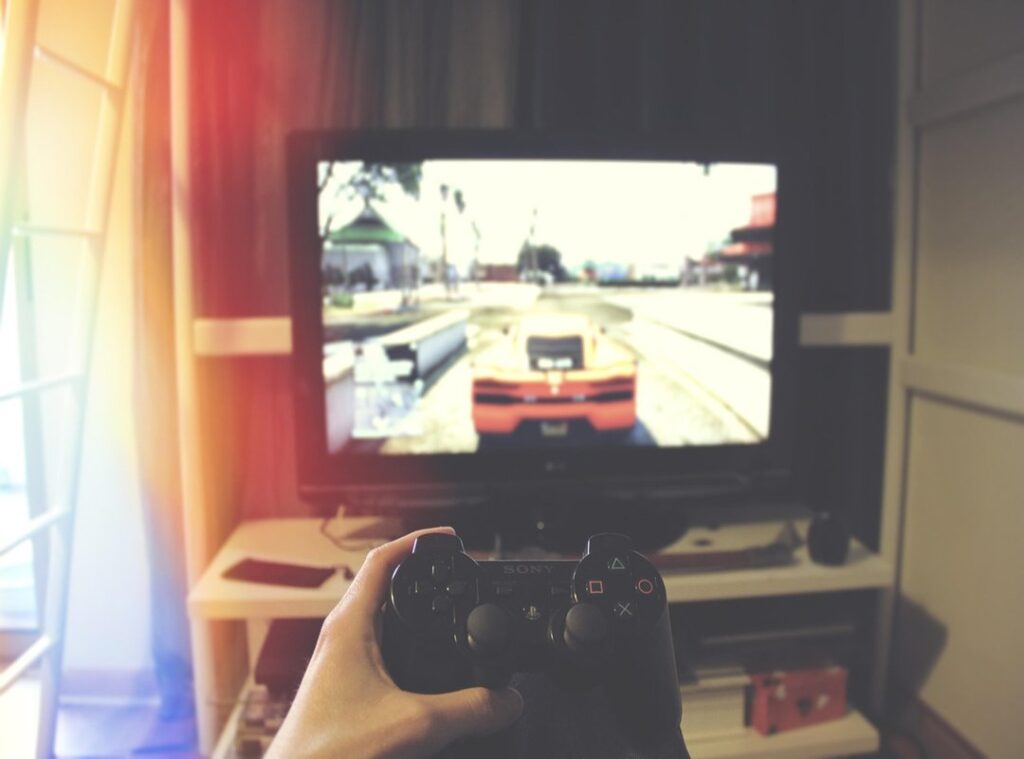
Remember that first time you watched a Gamraw match?
Your heart pounded. You had no idea what half the terms meant. You kept asking yourself: What’s a meta?
Why does everyone care about that one map? Is this even the right game for me?
I’ve been there. And I’ve spent years inside the Gamraw scene. Not just watching, but talking to players, coaches, and tournament organizers.
This isn’t some recycled blog post scraped from three other sites.
It’s the Gaming Infoguide Gamrawresports (built) from real conversations, real matches, real mistakes.
No jargon without explanation. No assumptions about what you already know.
You’ll go from zero to knowing where to start. Fast.
Not theory. Not hype. Just what works.
What Exactly Is Esports? (No Jargon Allowed)
Esports is competitive video gaming. Organized. Structured.
Real stakes.
It’s not just friends yelling at each other over Discord. It’s teams. Leagues.
Coaches. Drafts. Broadcasts.
Fans who know player stats better than their own GPA.
Think of it like basketball. Except the court is a server, the ball is a character model, and the hoop is a spawn point.
The field is digital. That’s the only real difference.
I’ve watched League of Legends Worlds finals in a packed arena. Thirty thousand people screaming for a team that controls pixels. Not athletes in jerseys.
But athletes in headsets.
Prize pools hit $2 million for single tournaments. Viewership? Over 300 million people watched last year’s Dota 2 International.
That’s more than the NBA Finals.
This isn’t niche anymore. It’s infrastructure. Sponsors.
Media rights. Full-time careers.
And right in the middle of it? Gamrawresports.
That’s where Gamrawresports lives (a) local hub feeding into that global machine.
They run weekly scrims. Host amateur brackets. Stream local players.
Help new talent find footing.
Most people assume esports only happens in Seoul or LA. Wrong. It starts in basements, dorm rooms, and Discord servers.
Like theirs.
Gaming Infoguide Gamrawresports is how some folks first learn what “pro play” actually means.
You don’t need a stadium to build a scene. You need consistency. Respect.
And good netcode.
I’ve seen three Gamrawresports alumni go pro. All started with a single practice match.
So ask yourself: when was the last time you watched someone play for keeps (not) just for fun?
Gamraw’s Heavy Hitters: What’s Actually Winning Right Now
Valorant is a 5v5 tactical shooter where you plant or defuse a spike. It’s got tight gunplay, character abilities that matter, and zero tolerance for sloppy aim.
It works as esports because one mistake costs rounds. Not just points. Teams rehearse callouts like theater scripts.
(I’ve watched pro matches where silence lasts 12 seconds before someone blinks.)
Learn one agent inside out before touching another.
- Fast-paced but fair
- Low hardware demands
League of Legends is a 5v5 MOBA where you destroy the enemy nexus. It’s been around forever. And still dominates Gamraw’s top-tier broadcasts.
Yes, it’s complex. Yes, it’s slow to learn. But its balance updates are surgical, not chaotic.
And the macro game? Still unmatched.
Don’t try to carry. Play your role. Then play it again.
Better.
- Massive champion pool
- Team coordination over solo plays
StarCraft II is real-time plan at its most brutal. You gather resources, build armies, and attack (all) while reading your opponent’s every move.
It’s not flashy. It’s not trending on TikTok. But in Gamraw’s elite circles, SC2 remains sacred.
The APM wars are real. The mind games are exhausting.
Watch replays with commentary. Not just highlights. See why the Zerg player scouted at 3:47.
- Pure skill expression
- Zero RNG in core mechanics
Gaming Infoguide Gamrawresports covers all of these (no) fluff, no hype, just what’s actually played at the highest level.
CS2 is back. Not the old version. Not the half-baked beta.
The real thing. Maps are tighter. Recoil feels earned.
Economy resets hurt.
I dropped 80 hours into Dust II last month just to relearn spacing. Worth it.
- Tactical precision over speed
- Weapon spray patterns matter
Gearing Up: Your First Competitive Gaming Setup

I started with a $300 laptop and a grocery-store headset. It worked. Barely.
You don’t need pro gear to begin. You do need gear that doesn’t fight you.
The Must-Haves
A capable PC or console is non-negotiable. Not “gaming-grade” (just) stable. My first rig ran CS:GO at 60 FPS on low.
That was enough to learn.
Your monitor matters more than you think. Refresh rate? Just means how many times per second the screen updates. 60Hz is fine. 144Hz helps if you’re tracking fast movement.
Don’t overthink it yet.
A mouse or controller that clicks consistently? Yes. One that double-clicks when you sneeze?
No.
Headset with mic? Required. Not for bragging.
For calling out enemy positions. Try talking through a headset that muffles your voice (you’ll) quit mid-match.
The Game-Changers
You can read more about this in this resource.
Mechanical keyboards aren’t flashy. They’re reliable. Each key press registers cleanly.
No mush. No missed jumps. I switched after losing three rounds because my spacebar stuck.
High-DPI mice let you move faster or more precisely. Your call. I use 800 DPI.
My friend uses 1600. Neither is right. Both beat the $20 optical mouse that drifts left.
Large mousepads? They stop your wrist from slamming into the desk mid-flick. Mine’s 32 inches wide.
I noticed the difference in my first week.
None of this fixes bad aim. But it removes friction. You’ll know when your gear is holding you back.
The Tech Infoguide Gamrawresports breaks down real-world gear tests (not) marketing specs.
Start simple. Upgrade one thing at a time. Then test it in live matches.
Not in practice mode. In ranked.
That’s where cheap headsets crackle. Where laggy mice drop shots.
You’ll feel it. And then you’ll know what to fix next.
From Hobbyist to Contender: Stop Buying Gear, Start Fixing Habits
I used to think better gear made me better. Wrong. It just made my mistakes more expensive.
Skill isn’t built in the store. It’s built in the replay tab.
Review your own gameplay. Not once, but every time. VOD review means watching your last match like it’s someone else’s.
Pause when you die. Ask: *What did I see? What did I assume?
What did I miss?* (Spoiler: You missed the flank.)
Don’t try to master five roles. Pick one. Just one.
Play it for 20 matches straight. No switching. No excuses.
You’ll learn more in those 20 than in 100 scattered games.
Watch pros? Good. But don’t just watch.
Watch for something. Freeze the stream when a pro rotates. Ask: *Why there?
Why then? What’s their vision of the map?* It’s not magic. It’s pattern recognition.
And you build that by watching with intent.
Communication isn’t yelling. It’s saying exactly what’s needed, in fewer words than you think, before the fight starts. “Flank left in 3” beats “Uh hey guys maybe watch left?” every time.
You don’t need more tools. You need tighter habits. Less noise.
More repetition with feedback.
The rest is just distraction.
If you want shortcuts that actually work (not) hype, not gimmicks. Check out the Latest Gaming Hacks Gamrawresports.
Gaming Infoguide Gamrawresports isn’t a cheat sheet. It’s a reset button.
Your Esports Journey Starts Now
I’ve told you what esports really is. Not the hype. Not the noise.
Just the facts.
You know which games matter right now. You know what gear won’t hold you back. You know how to get better—today (not) “someday.”
Feeling lost? Yeah. That’s why you clicked.
Most guides drown you in jargon or skip straight to pro play. This one didn’t.
You’ve got the foundation. No more guessing. No more buying the wrong headset.
No more quitting after three losses.
Gaming Infoguide Gamrawresports gave you that.
So pick one thing. Right now. Join the Gamraw Esports Discord.
Watch a local stream for 20 minutes. Or try just one improvement tip from the article.
Stop waiting for “ready.”
You’re ready.
Go.

 Ask Michelles Aultmanerics how they got into upcoming game releases and you'll probably get a longer answer than you expected. The short version: Michelles started doing it, got genuinely hooked, and at some point realized they had accumulated enough hard-won knowledge that it would be a waste not to share it. So they started writing.
What makes Michelles worth reading is that they skips the obvious stuff. Nobody needs another surface-level take on Upcoming Game Releases, Expert Insights, Player Strategy Guides. What readers actually want is the nuance — the part that only becomes clear after you've made a few mistakes and figured out why. That's the territory Michelles operates in. The writing is direct, occasionally blunt, and always built around what's actually true rather than what sounds good in an article. They has little patience for filler, which means they's pieces tend to be denser with real information than the average post on the same subject.
Michelles doesn't write to impress anyone. They writes because they has things to say that they genuinely thinks people should hear. That motivation — basic as it sounds — produces something noticeably different from content written for clicks or word count. Readers pick up on it. The comments on Michelles's work tend to reflect that.
Ask Michelles Aultmanerics how they got into upcoming game releases and you'll probably get a longer answer than you expected. The short version: Michelles started doing it, got genuinely hooked, and at some point realized they had accumulated enough hard-won knowledge that it would be a waste not to share it. So they started writing.
What makes Michelles worth reading is that they skips the obvious stuff. Nobody needs another surface-level take on Upcoming Game Releases, Expert Insights, Player Strategy Guides. What readers actually want is the nuance — the part that only becomes clear after you've made a few mistakes and figured out why. That's the territory Michelles operates in. The writing is direct, occasionally blunt, and always built around what's actually true rather than what sounds good in an article. They has little patience for filler, which means they's pieces tend to be denser with real information than the average post on the same subject.
Michelles doesn't write to impress anyone. They writes because they has things to say that they genuinely thinks people should hear. That motivation — basic as it sounds — produces something noticeably different from content written for clicks or word count. Readers pick up on it. The comments on Michelles's work tend to reflect that.