
Locking in the Game Plan
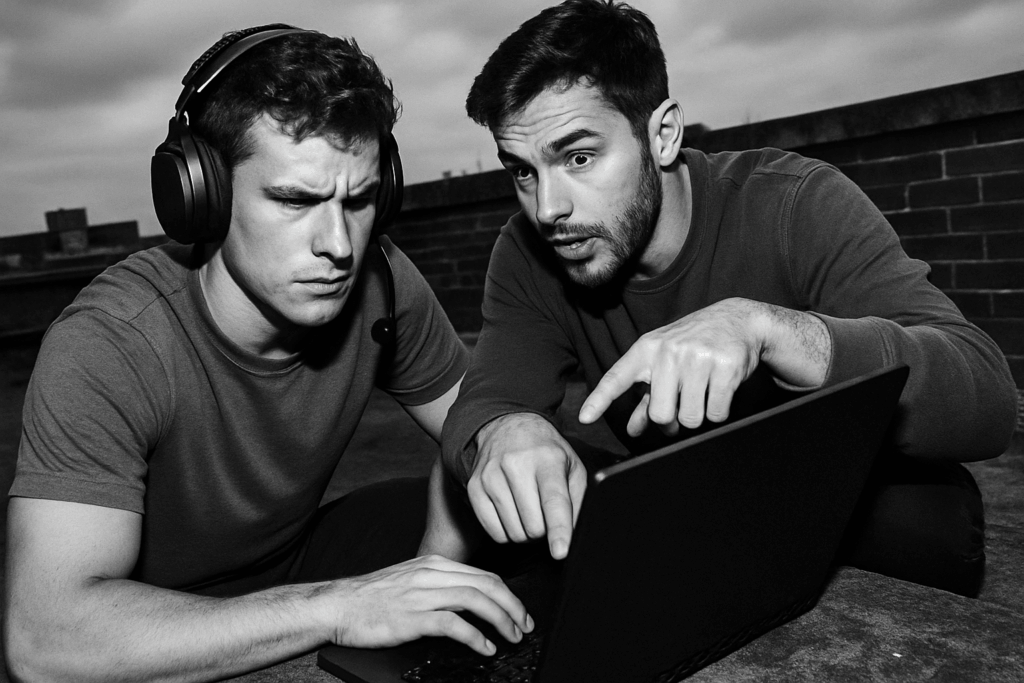
Preparation starts long before the bright lights and roaring crowds. Top tier esports teams grind through dense scrim blocks five, six, even seven days a week. These aren’t casual matches. They’re head to head tests against equally skilled opponents, each one dissected afterward for what worked and what didn’t. It’s part repetition, part chess match. Every round played now prevents chaos later.
There’s homework, too. Opponent analysis digs deep: preferred comps, early game habits, late game tendencies. Weak side plays? Shot calling tendencies? Nothing’s too small to throw onto the whiteboard. Coaches and analysts break it all down using VODs, tracking tools, heatmaps, and raw data. The goal: know the enemy without needing nameplates.
But the smartest prep also expects the unexpected. Patch drops and meta shifts can scramble weeks of strategy. That’s why flexibility matters just as much as execution. Teams drill short notice plans and backup picks. If the usual toolkit gets nerfed mid week, you better have something sharp waiting on the bench.
Mastering the game plan isn’t about locking in one blueprint. It’s about being ready to pivot faster and cleaner than the team across the stage.
Mental Conditioning and Focus
It’s not just about reactions and reflexes anymore. At the top level, esports is mental warfare. Most elite teams now have performance coaches think sports psychologists with a headset who help players sharpen focus, manage stress, and stay resilient. Sessions often include mindfulness exercises, pre game mental resets, and even analysis of communication styles under pressure.
Losses used to break teams. Now, the mindset is “short memory, strong nerves.” A bad map or poor call doesn’t define the tournament it’s just noise. Players train to recover fast: reset, refocus, and execute the next round like nothing happened.
Then there’s the weight that isn’t talked about enough: the pressure from streaming fans, sponsors, and expectations. Being a pro gamer means balancing content creation, brand obligations, and social noise all while prepping for high stakes matches. The mental game isn’t optional anymore. Teams that invest in it last longer, tilt less, and show up when it counts.
Physical Habits Behind the Screens
In high stakes esports, your body is as much a tool as your mouse. For too long, nutrition and sleep got sidelined in favor of grind culture. That era’s ending. Top teams are bringing in dietitians, tracking sleep cycles, and optimizing pre game meals. Why? Because sharper minds make fewer mistakes and you don’t win if your brain’s on 4 hours of rest and microwave food.
Reaction drills are also back in focus. Teams now run reflex training apps, VR hand eye routines, and even traditional exercises like juggling to keep players dialed in. When milliseconds separate a clutch from a choke, those neural pathways better be firing on cue.
Posture’s the other silent killer. Back pain, wrist inflammation, neck strain they stack up fast. Teams are investing in ergonomic setups, frequent mobility sessions, and injury prevention gear. Because if someone’s sidelined with a stress injury mid tourney, that’s not just discomfort that’s a liability. You don’t need to train like an Olympian, but you do need to treat your body like it matters. Because it does.
Team Communication and Roles
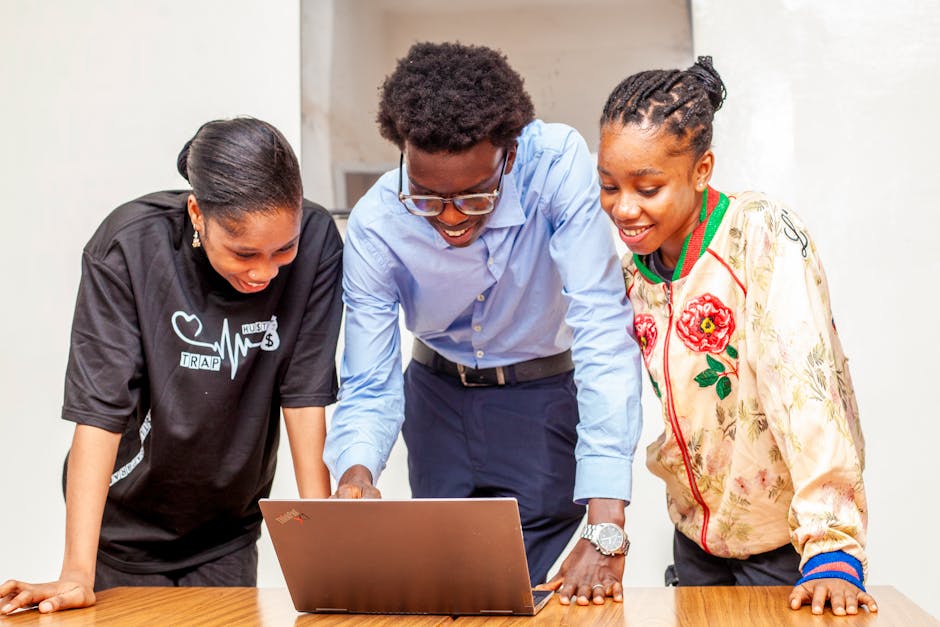
Before a major, everything tightens up. Loose comms, unclear roles those won’t cut it. Pre tournament, top teams sit down and lock in exactly who’s doing what. Roles get clearly defined; there’s no room for mid match confusion once the stakes rise. Whether it’s who’s anchoring a bomb site, taking the flank, or leading rotations, everyone knows their lane.
Shot calling becomes its own system. Good teams don’t just talk they structure their talk. Primary caller, secondary support, info relays. It’s practiced, reviewed, and cleaned up constantly. There’s no yelling matches mid map. Teams build routines that let them reset fast, stay tilt proof, and make clean decisions under fire.
In crunch time, it’s not raw skill that wins it’s how well five players breathe together on the same page. The synergy between a passive support who baits a peek and the entry who capitalizes without missing a beat that’s chemistry. And chemistry doesn’t come from mechanics. It comes from time together, trust, and conversations that happen long before the tournament even starts.
Tech & Tools That Make It Possible
Top tier esports prep doesn’t happen with laggy keyboards and second rate headsets. High refresh monitors (think 240Hz and above) are now standard across the board. Every frame counts. So does every click zero lag mice and mechanical keyboards make sure input delay doesn’t cost a game. Teams lock in optimized graphics settings for peak visibility and responsiveness. No distractions. Just raw performance.
Comms have to survive the chaos of live pressure. That’s why internal voice systems are rigorously stress tested. Teams rely on software that reduces latency, filters noise, and doesn’t crash mid fight. One misheard call can blow a round.
Practice modes have evolved too. Most pro teams lean into custom built training maps, scenario simulators, and AI bots that mimic real opponents. Add replay trackers and stats platforms into the mix, and nothing gets overlooked. Every click, every mistake it’s all on record, ready to be dissected.
To track how the tech stack is shifting, check out the latest esports platform updates.
Bootcamps and Final Grind
When a major tournament is on the line, teams don’t stick to remote play and hope for the best. Most top tier organizations move their players into bootcamps centralized training locations where focus becomes religion. These setups strip away distractions: no house chores, no travel hassle, no side gigs. Just the game, the grind, and the squad.
Bootcamps turn training intensity up to eleven. Scrim blocks run longer, feedback loops tighten, and any weakness be it in communication, game sense, or strategy gets exposed and addressed, fast. More than that, spending time in person allows teams to sync up in ways that digital setups simply can’t. Body language gets read. Mood shifts get managed. Trust compounds.
The final stretch before a tournament is less about overhauling strategy and more about polishing what’s already built. Bootcamps are where overlooked details timing issues, rotation habits, contingency calls get ironed out. It’s full grind mode with a single goal: walk into the tournament not just prepared, but sharp, synced, and dangerous.
The Competitive Edge
When it comes to esports, talent takes you far but preparation decides who walks away with the trophy. There’s a sharp line between the teams that crack the top 10 and the ones hoisting the championship banner. That line is usually drawn weeks before the first match starts.
The best teams treat prep like a full time grind. They don’t just show up to play; they show up ready. Every scrim session counts. Every VOD review, every late night theorycraft session, every team meeting they add up. These aren’t flashy habits, but they’re what keep players steady across a brutal bracket.
Discipline beats chaos. That means showing up to practice even when you’re tired. Prioritizing fundamentals over flair. Avoiding ego wars and trusting systems. Skill spikes win rounds; preparation wins weekends.
Want to go deeper? Check out more insights at esports platform updates.
