
You stare at your laminate floors and feel nothing but disappointment.
That warm glow they had the day you moved in? Gone. Just scuffs, haze, and a dull flatness that makes the whole room feel tired.
I’ve been there. More times than I care to count.
And no (replacing) them isn’t the only answer. Or even the smart one.
How to Update Lightniteone isn’t about magic or expensive gear. It’s about doing the right thing, in the right order.
I’ve refreshed over 60 sets of laminate floors. Not once have I used anything that stripped the finish or voided the warranty.
This guide walks you through every step. Deep clean. Spot repair.
Polish. Done.
No guesswork. No “maybe try this.” Just what works.
You’ll see real results in under two hours.
The shine comes back. The color wakes up. The floor looks like itself again.
Not new. Better than new. Alive.
You’re not stuck with dull floors. You’re just one full refresh away from loving your space again.
Laminate Floor Prep: Don’t Skip This
I’ve watched people sand, polish, and seal laminate floors (only) to realize halfway through that they never cleared the room properly.
That’s why Step 1 is non-negotiable. Skip it, and you’re polishing dust into scratches. You’re buffing grit into swirl marks.
You’re wasting time.
First (clear) the room. All furniture. Every rug.
Even that plant in the corner. If it rolls, lifts, or blocks access, move it. Out.
Not just to the next room. Outside if you have to.
Sweep. Then vacuum. Use a soft-bristle attachment.
Hard bristles dig into laminate. I’ve seen them leave hairline scratches that look like tiny lightning bolts (not cool).
Now inspect. Kneel. Look for deep gouges.
Chips at the edges. Swelling (that’s) water damage. Peeling layers?
Not war zones.
That’s not cosmetic. That’s structural. This whole process is for surface-level wear.
If your floor looks like it lost a fight with a lawnmower, stop. Call a pro. Or check out Lightniteone (it) helps diagnose whether your floor needs refresh or replacement.
Tape off baseboards with painter’s tape. Press it down firmly. No gaps.
That tape saves hours of touch-up later.
You’ll thank yourself when the polish goes on smooth (not) streaky.
How to Update Lightniteone? Start here. With clean eyes and a bare floor.
Step 2: The Deep Clean to Erase Years of Buildup
I’ve watched people ruin laminate floors with vinegar. Then with steam mops. Then with dish soap straight from the bottle.
Vinegar is acidic. It eats the protective layer. Steam mops push moisture under planks.
Warping happens. Fast. Soap-based cleaners leave dull, sticky residue that attracts more dirt.
Not less.
So what do you use? A pH-neutral cleaner. That’s non-negotiable.
You can buy one. Bona or Method both work. Or make your own.
Mix two drops of mild dish soap into a gallon of warm water. That’s it. No more.
No less.
Use a microfiber mop. Not a sponge. Not a rag.
Microfiber. Wring it out until it’s just damp. If you see puddles, you’ve failed.
Clean in the direction of the planks. Not against them. Not sideways.
With them. This follows the grain. It lifts grime instead of pushing it into seams.
Grease spots? Scuff marks? Dab a soft cloth with rubbing alcohol.
Just a little. Rub gently. Wipe dry immediately.
Don’t walk away and come back later. Wipe. Dry.
Check. Repeat if needed.
The floor must be bone-dry before you move to repairs or polish.
Not “mostly dry.” Not “air-drying now.” Completely dry.
Moisture + polish = hazy streaks. Moisture + filler = bubbling. I’ve seen both.
It’s not worth the shortcut.
How to Update Lightniteone? That’s for another section. This is about respect (for) your floor, your time, and your sanity.
Skip the gimmicks. Stick to the damp mop. And stop treating laminate like tile.
Scratch Repair: Eraser or Wax Stick?
Light scuffs aren’t real damage. They’re just surface noise. You can wipe them away with a pencil eraser.
Yes, the pink kind. And it works. I’ve done it on my own floor after dragging a chair across it barefoot.
Deeper scratches? Those bite into the wear layer. That’s where you need something that fills, not just hides.
A laminate floor repair kit is your best bet. It usually comes with wax sticks or putty in common floor colors. Match the color before you open the package.
Seriously. Don’t guess. Hold it next to the scratch in natural light.
Then fill it. Press gently. Let it set for five minutes.
Scrape off the excess with the tool they give you. Don’t rush this part. Too much pressure leaves a ridge.
Touch-up markers work too (but) only for hairline scratches. And always test first. Try it behind the fridge or under a cabinet leg.
Because nothing’s worse than a mismatched streak you can’t un-see.
Wipe the area with a clean, dry microfiber cloth after filling. Not damp. Not paper towel.
Microfiber. It blurs the line between repair and original.
How to Update Lightniteone isn’t about floors (but) if you’re patching things up, you’ll want the same care when updating Game lightniteone. Same principle: small mistakes compound.
Skip the fancy tools. Start simple. Erase first.
Then decide if you need more.
Step 4: That “New Floor” Shine. Done Right
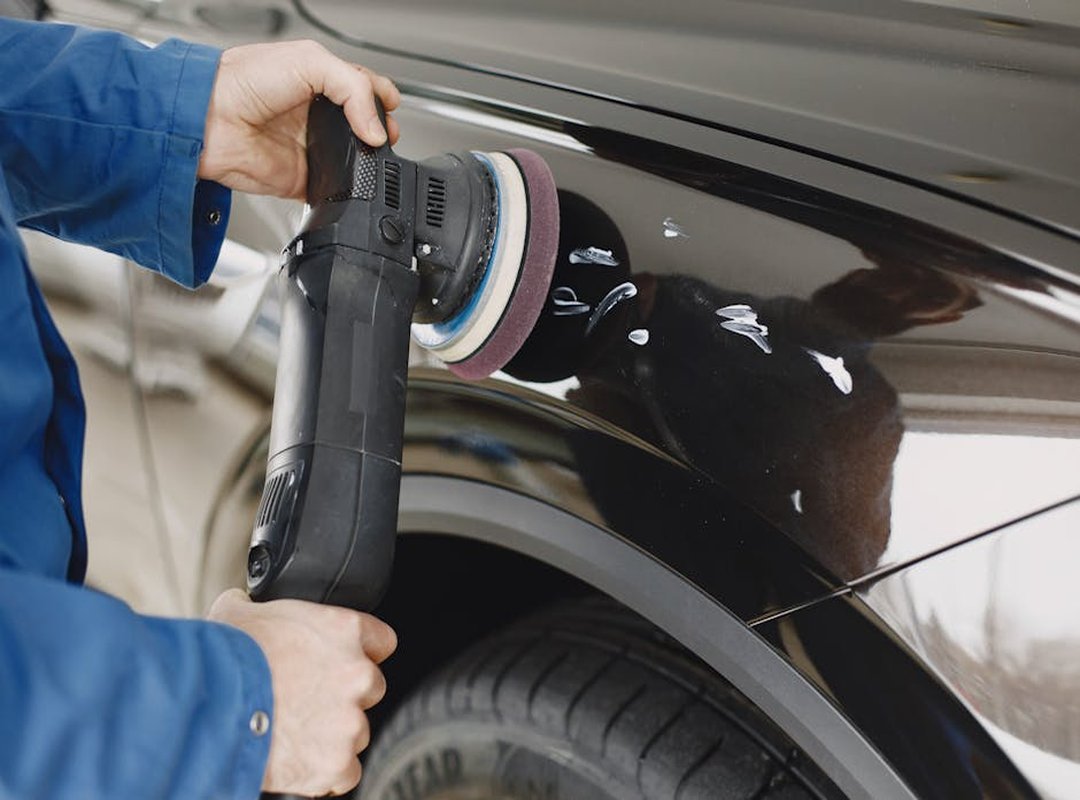
A laminate floor restorer isn’t magic. It’s a liquid polymer that fills micro-scratches and lays down a fresh wear layer. A polish just adds shine.
A restorer does both.
So which do you need? If your floor looks dull but has no visible scratches (go) with a polish. If it’s scratched and dull.
Use a restorer. I’ve tried both. The restorer wins every time on older floors.
Start in the corner farthest from the door. Pour the product in an S shape. Not a puddle.
Not a trickle. An S.
Then grab a clean, flat-head microfiber mop. No strings. No frayed edges.
Just smooth, even pressure.
Spread it in one direction only. Back and forth is fine. Side to side after that?
No. You’ll get streaks. I learned that the hard way.
I wrote more about this in When Lightniteone.
Keep the coat thin. Too much = tacky residue. Too little = patchy shine.
You want even coverage. Not art class.
Let it dry. Fully. Don’t rush this.
Most products say 4 (6) hours. Some say overnight. Read the label.
Yes, really. Skipping this step ruins everything.
Don’t walk on it barefoot. Don’t slide furniture back in. Wait.
And before you move anything heavy back? Add felt pads to every leg. Those little circles cost less than $5 and save your finish.
You’re not just cleaning. You’re resetting the surface. That matters.
I’m not sure why so many people skip the restorer step. Maybe they think it’s optional. It’s not.
If your floor’s seen better days, this is where it gets its confidence back.
Restorer is the word you want on the bottle.
How to Update Lightniteone? That’s a different kind of refresh (one) tied to release timing, not floor chemistry.
Floors That Look Like They Just Arrived
I’ve seen what dull laminate does to a room. It drags everything down. Makes your space feel tired.
Cheap. Forgotten.
You don’t need to rip it out. You don’t need to spend thousands. You just need How to Update Lightniteone.
Four steps. Prep. Clean.
Repair. Restore. That’s it.
No guesswork. No contractor quotes. You do the work.
You see the change. Immediately.
Most people wait for “someday.”
Someday never comes.
Your floors deserve better now.
Pick a weekend. Grab your supplies. Follow the steps.
You’ll stand back and wonder why you waited so long. The difference is real. It’s fast.
It’s yours.
Go fix them.

 Ask Michelles Aultmanerics how they got into upcoming game releases and you'll probably get a longer answer than you expected. The short version: Michelles started doing it, got genuinely hooked, and at some point realized they had accumulated enough hard-won knowledge that it would be a waste not to share it. So they started writing.
What makes Michelles worth reading is that they skips the obvious stuff. Nobody needs another surface-level take on Upcoming Game Releases, Expert Insights, Player Strategy Guides. What readers actually want is the nuance — the part that only becomes clear after you've made a few mistakes and figured out why. That's the territory Michelles operates in. The writing is direct, occasionally blunt, and always built around what's actually true rather than what sounds good in an article. They has little patience for filler, which means they's pieces tend to be denser with real information than the average post on the same subject.
Michelles doesn't write to impress anyone. They writes because they has things to say that they genuinely thinks people should hear. That motivation — basic as it sounds — produces something noticeably different from content written for clicks or word count. Readers pick up on it. The comments on Michelles's work tend to reflect that.
Ask Michelles Aultmanerics how they got into upcoming game releases and you'll probably get a longer answer than you expected. The short version: Michelles started doing it, got genuinely hooked, and at some point realized they had accumulated enough hard-won knowledge that it would be a waste not to share it. So they started writing.
What makes Michelles worth reading is that they skips the obvious stuff. Nobody needs another surface-level take on Upcoming Game Releases, Expert Insights, Player Strategy Guides. What readers actually want is the nuance — the part that only becomes clear after you've made a few mistakes and figured out why. That's the territory Michelles operates in. The writing is direct, occasionally blunt, and always built around what's actually true rather than what sounds good in an article. They has little patience for filler, which means they's pieces tend to be denser with real information than the average post on the same subject.
Michelles doesn't write to impress anyone. They writes because they has things to say that they genuinely thinks people should hear. That motivation — basic as it sounds — produces something noticeably different from content written for clicks or word count. Readers pick up on it. The comments on Michelles's work tend to reflect that.