
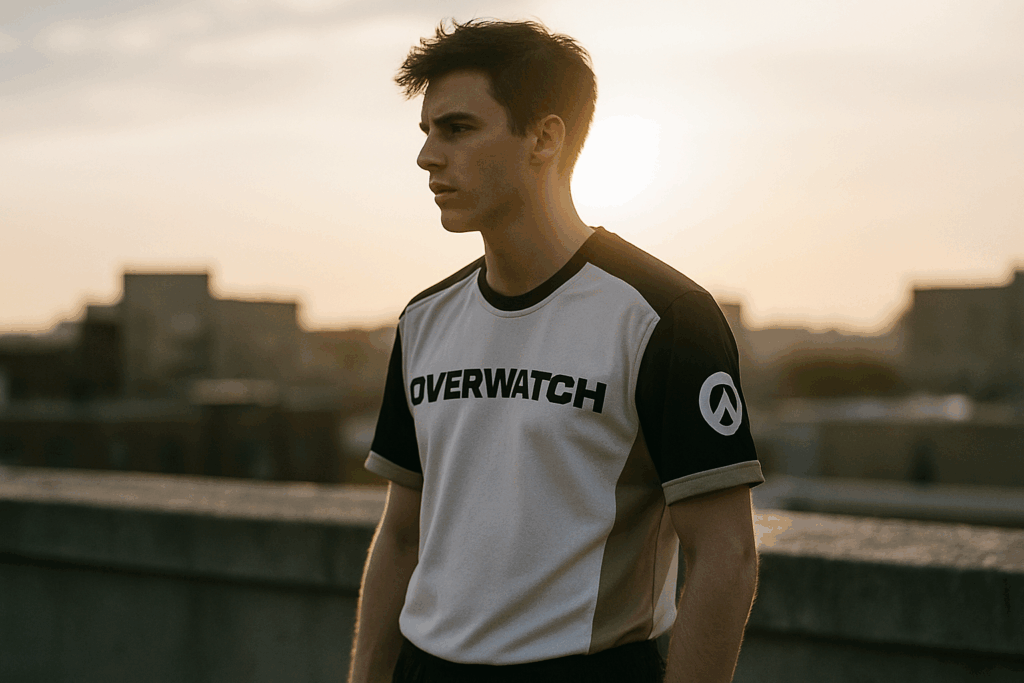
Quick Look at the 2026 Season
The 2026 Overwatch League season didn’t just build on what came before it broke away from it. What made this year stand out wasn’t a single dominant team or flashy new hero, but how the entire ecosystem evolved. Teams came in with smarter prep, bolder game plans, and a deeper understanding of roster strengths. Strategy wasn’t just cleaner it was colder and more calculated.
The hero meta reflected that shift. Instead of defaulting to whatever was freshly buffed, coaching staffs went back to the drawing board. Zarya reemerged as a control anchor, Illari brought in a new layer of backline utility, and Tracer continued to dominate flanking lanes. For the first time in years, strong fundamentals beat exploit based comps. The gameplay was tighter, less gimmicky more about execution than surprise.
Viewer engagement climbed too. Bigger crowds showed up both online and in person, thanks to regional events and smarter broadcast pacing. The league expanded not by adding noise, but by drilling into what worked. More localized matches, more behind the scenes content, and a better rhythm between matches kept fans locked in.
Overall, 2026 raised the floor. Teams that coasted got exposed. Contenders that tightened their strategy made deep runs. This wasn’t a year you could win on momentum alone.
Game Changing Plays That Turned the Tide
The 2026 Overwatch League season delivered some of the most pulse pounding clutch plays in league history moments that didn’t just win fights, they flipped entire maps and playoff narratives.
Let’s start with Seoul Spark’s Echo play on Circuit Royal, where a last ditch Duplicate onto Reinhardt turned a certain loss into a domination. With the Spark down 5v3, Echo duplicated the enemy tank, secured a double Shatter, and stalled long enough for reinforcements. That kind of heads up execution under pressure? Unreal.
Toronto Ignite had their own moment on New Junk City in the final week. Down to an overtime push with nothing but hope and a Lucio Sound Barrier, they held a three man push from the Dragons through sheer stagger timing and zoning discipline. It wasn’t just mechanics it was grit.
Beyond the highlight reels, the smarter teams played it cool with ult economy. Atlanta Mirage routinely spaced out their tempo based ults like Ana Nano and Sojourn Overclock, avoiding piles of wasted value and constantly resetting enemy momentum. They didn’t just manage resources they drained the confidence out of opponents.
And behind all that? Coaches who did their homework. Teams like Paris Eclipse came out swinging in mirror matchups thanks to prepped counters to common dive setups. You could see real time adjustments between map halves, especially when teams threw curveballs like unexpected swap picks mid series.
Bottom line: 2026 was less about brawling harder more about thinking faster. The plays that won maps? They came from sharp timing, clear prep, and players who seized the 2% window most wouldn’t even see.
Breakout Stars and Veteran Dominance
2026 wasn’t just another year of highlight reels it was a year where the line between rookies and legends started to blur. Some of the league’s most impactful plays didn’t come from household names, but from fresh talent with nothing to lose.
Rookies like Zeen (Support, London Horizon) and Kiiro (DPS, LA Pulse) didn’t just plug into existing systems they broke them open. Zeen’s game sense was well beyond his years, consistently out rotating some of the best Lucios in the league. Kiiro? The kid plays Sojourn like he’s wired to the railgun directly. In clutch situations, their nerves held, and their reads were fast, clean, and punishing.
But the old guard didn’t fade. Players like Ardent (Tank, NY Skylines) and MeiVox (Flex Support, Seoul Spark) proved longevity isn’t about surviving it’s about evolving. Ardent adapted his play to match the pacing of a faster meta, reading fights before they happened and anchoring his team through tight maps. MeiVox displayed crisp anti nade timings and near flawless cooldown trading, reminding everyone why he’s still in every end of season MVP chat.
Support lines across the board went through a sanity check in 2026. With dive comps making a return early season and quick switch bunker setups midyear, positioning became everything. Those who could shift angles fast and bait enemy ults without giving up space survived. Those who couldn’t got exposed.
The landscape is shifting, and with it, the faces we’ve come to expect at the top. But 2026 showed one clear message: new legends are being minted, and the veterans who adapt still have plenty of gas in the tank.
Most Impactful Team Comps of 2026

The 2026 Overwatch League meta found its identity in a mix of old school grit and high paced flexibility. Tracer and Illari became cornerstone picks thanks to their synergy Tracer darting in and out to harass backlines, while Illari offered the offensive healing and burst potential to support aggressive plays. Zarya carved out niche dominance too, especially in maps favoring tight corridors or where consistent bubble usage could neutralize early dives.
Mid season saw a surprising shift: bunker comps made a comeback. With coordinated play and sharp positioning, teams using Bastion setups and fortified backlines turned unwinnable fights into solid map control. Mimicking GOATS style discipline, these comps required precision more than raw mechanical brilliance and gave coaching staff room to flex strategic muscles.
Not every team nailed it. Some experimented with hybrid comps, trying to fuse dive aggression with bunker sustain, often missing the mark. But others like Boston Forge and Houston Tempest perfected clean bunker executions and rotated cooldowns like clockwork. It wasn’t just about picks; it was about commitment to the plan and communication under pressure.
In a season defined by creativity, the teams who didn’t chase trends but instead maximized their comfort zone rose above. Meta might have shaped the tools but it was discipline that shaped results.
Behind the Scenes Moves Worth Noting
What fans see on match day is just the tip of the iceberg. The 2026 Overwatch League season saw a series of roster swaps and backroom decisions that quietly reshaped the playoff picture.
First, the off season transfer of FlipShot to Houston Voltage paid off in spades. His first pick aggression gave the team the spark they’d been missing, turning mid tier expectations into a top four finish. On the flip side, Los Angeles Mirage’s mid season gamble to bench their veteran DPS for a rookie prospect never clicked, costing them crucial maps and ultimately a playoff berth.
Coaching changes played a quieter, but no less important, role. New York Horizon brought in ex Titan shotcaller Alden as head coach and the turnaround was noticeable. Better ult tracking, layered support coordination, tighter macro across the board. It wasn’t flashy, just proper prep paying off.
Analytics also carved a bigger role this year. Mid season adjustments weren’t based on vibes they were driven by heat maps, reaction times, and performance deltas layered across scrim data. Teams like Seoul Spark and Toronto Ignite didn’t just play smarter they trained smarter. Their analysts baked decision trees into VOD reviews, and the players knew their win cons down to the pixel.
Practice environments evolved too. Remote bootcamps gave way to hybrid models: in house LANs paired with sports psych support, sleep tracking, and role specific coaches. The elite teams are no longer just practicing more they’re practicing better. Fast, clear, sustainable.
Behind the scenes, 2026 was the year orgs stopped winging it. Strategy wasn’t something that started at the stage it started weeks before, behind monitors, whiteboards, and data dashboards.
Looking Beyond OWL: Global Esports Context
The Overwatch League (OWL) still holds ground as a structured, franchise backed ecosystem with high production value and a dedicated fan base. But in the broader competitive landscape, its footing isn’t as dominant as it once was. The growth curve has slowed, and it’s no longer the industry disruptor it’s part of a maturing tier of traditional esports.
Meanwhile, mobile esports is exploding. Titles like Mobile Legends: Bang Bang, PUBG Mobile, and Free Fire are skyrocketing in viewership, especially across Southeast Asia, South America, and parts of the Middle East. These games run on cheaper devices, require minimal hardware, and boast hyper regional tournaments with massive online turnouts.
OWL’s structured approach contrasts with the scrappiness and raw scale of mobile competition. It has polish, but mobile has reach. For OWL to stay relevant, it needs to adapt more quickly be that through regional formats, shortened schedules, or more direct creator integration. Esports as a whole is shifting toward agile, community driven ecosystems. OWL may not lead the charge anymore, but it has a chance to carve out a sustainable place if it listens and evolves.
For insight into what’s fueling mobile’s meteoric rise, read The Rise of Mobile Esports Games and Regions Leading the Charge.
Eyes on 2027
As the Overwatch League (OWL) prepares for the 2027 season, anticipation is already mounting. The 2026 season brought unprecedented intensity, and with that, expectations for the future have hit new highs. Here’s what to watch as the league moves into its next chapter.
Team Shakeups on the Horizon
Several rosters could look drastically different heading into 2027. With a mix of rising talent and veteran contracts expiring, many organizations are expected to restructure:
Veterans retiring or transitioning to coaching roles, opening space for younger players
Underdog teams exploring international talent to build more dynamic rosters
Trade possibilities between top contenders and mid tier squads seeking aggressive rebuilds
Format Tweaks Fans Are Calling For
2026 proved that fans are engaged, vocal, and more invested than ever in the format of the league. Several tweaks have been widely requested:
Regional rotations to bring more LAN events to new cities
More flexible schedule formats, reducing burnout for players and keeping matches more competitive
Expanded wildcard slots in playoffs to reward late season momentum
League leadership has hinted at changes, and 2027 could be the season that bridges fan expectations and competitive integrity.
Where the Next Stars Will Come From
The rookie class of 2026 was proof that scouting and development pipelines are working. As teams rebuild or reinforce their lineups, several key regions and paths are being closely watched for breakout talent:
Korea and Western Europe continue to produce world class DPS talent
Tier 2 contenders are being promoted more aggressively thanks to stronger development leagues
Cross platform talent from other first person shooters is beginning to integrate
Expect another year of surprise debuts and unconventional drafting strategies.
2026 Raised the Competitive Bar
It’s undeniable 2026 will be remembered as a year that changed expectations across the board. From coaching innovation to player discipline and adaptability, the league took a leap forward in:
Strategic diversity: Teams weren’t afraid to experiment, and it paid off
Preparation and prep work: Coaching staffs were visibly making more mid match adjustments
Engagement and viewership: The audience grew worldwide, validating OWL’s global ambitions
All signs point to 2027 being a year of increased intensity, heightened strategy, and a deeper talent pool than ever before.
