
I’ve tested more gaming mice with emulators than I care to count.
You’re probably here because your current mouse isn’t cutting it for retro gaming. Maybe the buttons don’t map right or you can’t switch profiles fast enough when jumping between systems.
Here’s the thing: most gaming mice are built for modern PC games. They don’t have what you need for emulation.
I spent years running hardware tests across every major emulator out there. RetroArch, Dolphin, PCSX2, you name it. I learned fast that the features marketed to competitive gamers don’t always translate to what works best for console emulation.
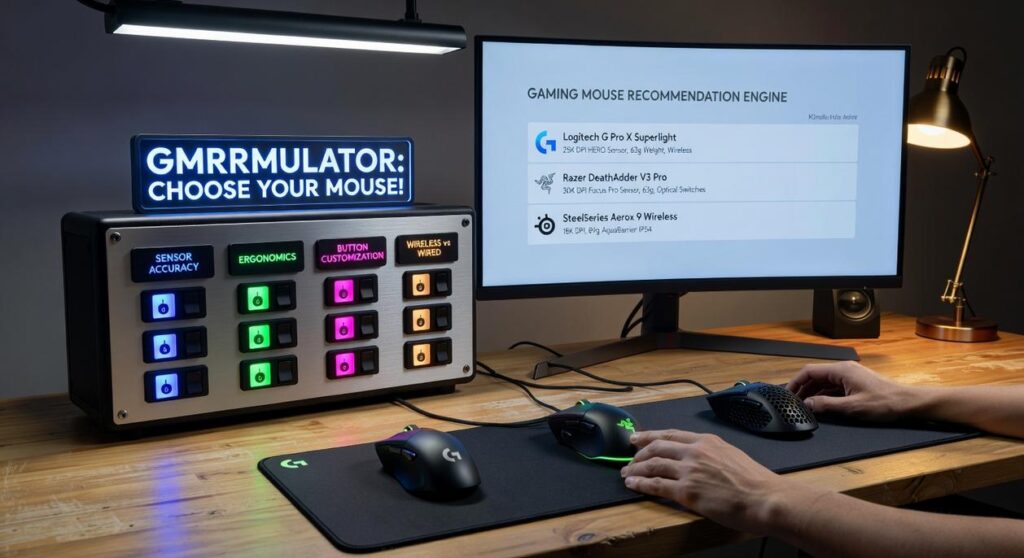
This guide shows you what gaming mouse to buy gmrrmulator based on real testing. Not marketing specs. Not what some forum post said worked five years ago.
You need extensive button mapping. You need profile switching that actually works on the fly. And you need hardware that doesn’t fight against emulator software.
I’ll break down which features actually matter and which mice deliver them. No fluff about DPI counts that don’t mean anything for your setup.
By the end, you’ll know exactly which mouse to buy for your emulation rig. The first time.
Why Emulation Demands More From Your Mouse
Your standard office mouse isn’t going to cut it.
I learned this the hard way when I first started emulating N64 games. I thought I could just map everything to my basic two-button setup and call it a day.
Wrong.
The problem isn’t just about having enough buttons. It’s about recreating an entirely different input system. You’re taking a controller that was designed for ten fingers working together and trying to squeeze it onto a device built for pointing and clicking.
Think about it. An N64 controller has the D-pad, analog stick, A and B buttons, four C-buttons, two shoulder buttons, and a Z-trigger. That’s a lot of simultaneous inputs happening at once.
Now try doing that with a mouse and keyboard.
When you’re playing something like Super Mario 64, you need to hold the analog stick in a direction while jumping and adjusting the camera. On a controller? Natural. With a mouse? You’re suddenly doing finger gymnastics that would make a piano player jealous.
Here’s my take: most people approach this backwards. They buy any mouse and then wonder why emulation feels clunky. But the mouse needs to become your command center.
I map my side buttons to save states. My DPI switch becomes fast-forward (because who wants to sit through that same cutscene for the twentieth time). My thumb rest button? That’s my quick menu access.
Some people say you should just use a controller for emulation. And sure, that works if you’re playing from your couch. But when I’m at my desk going through my backlog on gmrrmulator, I want everything within reach of my mouse hand.
The right gaming mouse makes emulation feel less like a compromise and more like an upgrade. You get precision aiming that controllers can’t match plus the ability to customize every input exactly how you want it.
That’s what gaming mouse to buy gmrrmulator really comes down to. Finding hardware that adapts to your needs instead of forcing you to adapt to its limitations.
The 4 Must-Have Features for an Emulator-Ready Gaming Mouse
You can’t just grab any gaming mouse and expect it to work well with emulators.
I learned this the hard way after buying three different mice that looked perfect on paper but felt terrible when I tried to play Super Metroid with them.
Here’s what actually matters.
1. Programmable Buttons: The Non-Negotiable Feature
You need at least 6 to 8 programmable buttons. Period.
Without them, you’re stuck using your keyboard for half the controls while trying to aim with your mouse. It’s awkward and it kills the experience.
I map mine to match the original controller layout. D-pad directions go on the side buttons. Face buttons like A, B, X, and Y get their own spots. Shoulder buttons too.
The whole point is to recreate that console feel without actually needing a controller plugged in.
2. Onboard Memory & Profile Switching
This one changed everything for me.
Onboard memory lets you save different button layouts for different consoles. I’ve got a SNES profile, a Genesis profile, and a PlayStation profile all stored right on the mouse.
When I switch from Chrono Trigger to Sonic, I just hit a button and boom. New layout loads instantly.
No software needed. No fumbling through menus. Just click and play.
3. Adjustable DPI (Dots Per Inch)
DPI matters more than most people think when you’re figuring out what gaming mouse to buy gmrrmulator setups.
Lower DPI works better for precise platforming. I drop mine to 800 when I’m playing Castlevania because I need those pixel-perfect jumps.
But when I fire up GoldenEye 007? I crank it up to 3200 or higher. First-person shooters need that speed.
A good mouse gives you a wide range. Something like 400 to 16000 DPI with adjustable steps in between.
4. Ergonomics & Grip Style
Look, you’re going to be holding this thing for hours.
If it doesn’t fit your hand, you’ll know within the first 30 minutes. Your palm will ache. Your fingers will cramp.
There are three main grip styles:
Palm grip means your whole hand rests on the mouse. It’s comfortable for long sessions but gives you less control.
Claw grip keeps your palm raised with just your fingertips and the base of your palm touching. More control, slightly less comfort.
Fingertip grip uses only your fingertips. Maximum control but it can get tiring fast.
I use claw grip for most games. It gives me the speed I need for action games while still feeling stable enough for RPGs.
Pick a mouse that matches how you naturally hold things. Don’t try to force yourself into a different grip style just because someone online said it’s better.
Top Recommendations for Every Type of Emulator Gamer
Let me break this down by how you actually play.
Because here’s what confuses most people. They think any gaming mouse will work for emulation. Then they wonder why their setup feels off when they’re trying to navigate menus in Persona 3 or nail headshots in GoldenEye.
The truth? Different emulation styles need different tools.
The All-Rounder: Best for Multi-System Emulation
If you jump between SNES one day and PS2 the next, you need something that adapts.
I recommend a mouse with 8 to 11 programmable buttons. Not too many that you get lost. Not too few that you’re constantly reaching for your keyboard.
Look for one with solid software that lets you save profiles per system. You’ll want different button maps for platformers versus racing games.
The Logitech G604 fits this perfectly. It’s comfortable for long sessions and the wireless connection doesn’t lag (which matters more than you’d think when you’re playing through Metroid Prime).
The RPG & Strategy Specialist: Best for Button-Heavy Games
You know those games where you’re constantly cycling through menus?
Chrono Trigger. Final Fantasy VI. Any tactical RPG where you need quick access to items, magic, and character commands.
This is where an MMO-style mouse with a 12-button side panel makes sense. What gaming mouse to buy gmrrmulator comes down to how many shortcuts you actually need, and for menu-heavy games, more is better.
Map your most-used commands to your thumb. Item menu on button 1. Magic on button 2. You get the idea.
The Razer Naga Pro gives you swappable side panels, so you can dial it back when you switch to simpler games.
The Precision Shooter: Best for Emulated FPS and Action Games
Emulating N64, Dreamcast, or PS2 shooters is tricky.
These games weren’t built for mouse and keyboard. But when you get it right? It feels better than the original controls ever did.
You need a lightweight mouse with a high-DPI sensor. Something that tracks perfectly at both slow and fast movements.
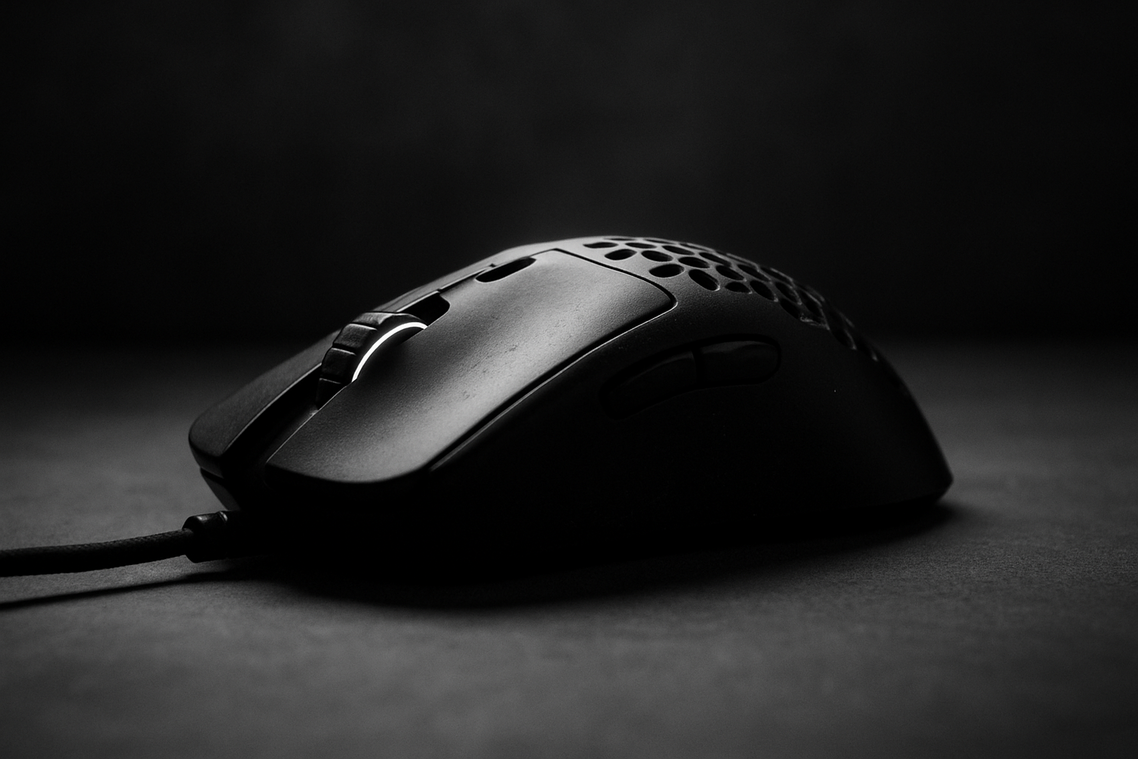
The Glorious Model O weighs almost nothing. Your aim stays steady during those tense moments in TimeSplitters 2 or Metroid Prime.
High DPI means you can make micro-adjustments without fighting your hardware. That’s the difference between nailing a shot and missing completely.
The Budget Champion: Best Performance Under $50
Not everyone wants to drop serious cash on a mouse.
I get it. You’re already investing in controllers, maybe a CRT monitor if you’re going for authenticity.
The good news? You don’t need to spend a fortune for solid performance.
Look for something with at least 6 programmable buttons and software that doesn’t crash every other day. The basics matter more than fancy RGB lighting.
The Logitech G305 runs under $50 and covers everything you actually need. Wireless. Reliable sensor. Simple software that just works.
Some people will tell you budget mice can’t handle serious gaming. But I’ve seen players complete entire playthroughs of latest gaming trends gmrrmulator favorites using entry-level gear without issues.
Your mouse matters. But it’s not everything.
Pick based on what you play most, and you’ll be fine.
Pro-Tips: Setting Up Your Mouse for Emulator Dominance
Your mouse has more buttons than you’re using.
I see it all the time. People buy a 12-button gaming mouse and then just use it like a regular mouse. They’re leaving half the functionality on the table.
Here’s what you need to do first.
Install the companion software. Every decent mouse comes with it. Logitech has G Hub. Razer has Synapse. Corsair has iCUE. You get the idea.
This is where the magic happens. Without it, those extra buttons are just decoration.
Once you’ve got the software running, you can remap any button to do anything. And I mean anything. Keyboard keys, macros, shortcuts. Whatever you need for your emulator setup.
Start with a simple layout. I map my D-pad directions to the thumb grid because it feels natural. Face buttons (A, B, X, Y) go on the side buttons I can reach without moving my hand.
Then I put emulator functions on the buttons I don’t hit by accident. Save state on one. Load state on another. Fast forward on a third (because who wants to sit through unskippable cutscenes twice?).
The key is keeping combat controls where your thumb naturally rests.
Create profiles for each system. This is the part most people skip and then regret later.
Your SNES setup shouldn’t be the same as your PlayStation setup. Different consoles need different button layouts. When you’re figuring out what gaming mouse to buy gmrrmulator, profile support should be near the top of your list.
I have separate profiles for NES, SNES, Genesis, PS1, and N64. The software switches between them automatically when I launch different emulators.
Some mice let you store profiles in onboard memory. That means your settings travel with you if you game on multiple PCs.
One more thing. Test your layout before you start a serious playthrough. Nothing worse than being three hours into a game and realizing you mapped the menu button somewhere you can’t reach quickly.
For more setup options, check out gmrrmulator latest upgrades from gamerawr.
The Right Mouse Unlocks Your Retro Potential
You came here because your controls weren’t cutting it.
Playing retro games through emulation should feel smooth. But clunky mouse setups kill that experience fast.
I’ve shown you what matters: programmable buttons and profile switching. These two features solve the control problem that most emulators face.
You can map any button configuration you need. You can switch between game profiles without digging through menus. That’s the difference between frustration and flow.
Now you know what to look for in what gaming mouse to buy gmrrmulator.
Pick the recommendation that matches your favorite games. Set up your profiles. Then jump back into those retro titles.
The right mouse changes everything. Your controls will finally feel as good as you remember the games being.
Stop fighting with your setup and start playing. Homepage.
