
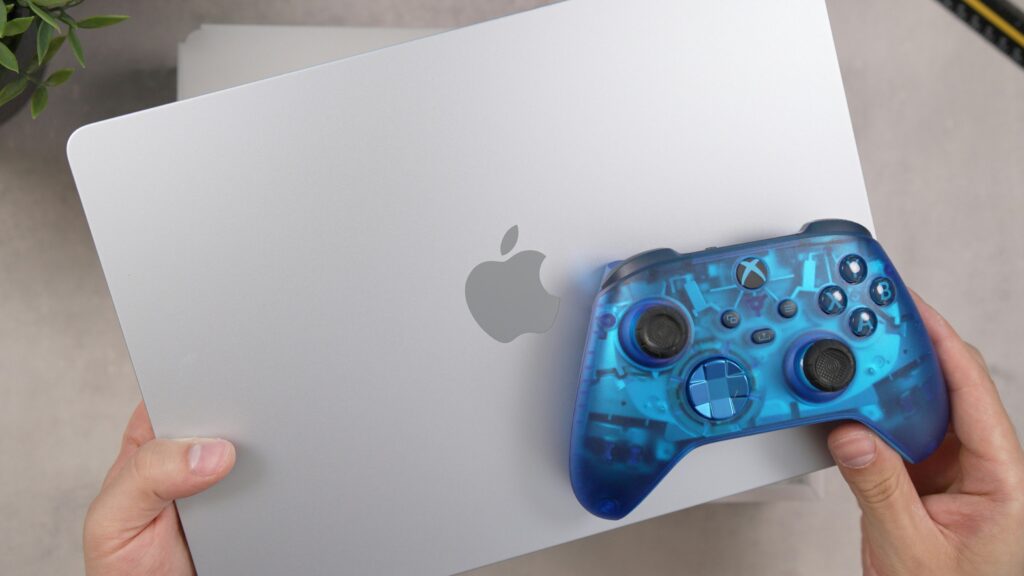
The Wall Has Come Down
Cross platform play used to be a wishlist item something gamers hoped for but rarely got. It sat on roadmaps, announced at expos with vague timelines, then delayed, ignored, or delivered half baked. In 2024, that started to change. By 2026, cross play didn’t just arrive. It became standard.
The shift kicked off with platform holders loosening their grip. Sony, once cautious, opened the gates wider. Xbox and PC were already in sync, and Nintendo joined the mix for select titles. Suddenly, your console or device stopped defining who you could play with. No more group chats full of excuses like, “Sorry, I’m on PlayStation.”
Several key breakthroughs sealed the deal. Unified backend systems became more stable and secure. Studios stopped treating cross play as a developer footnote and built it into game architecture from day one. Legal and licensing hurdles? Mostly cleared. And players loved it: engagement metrics jumped, matchmaking times dropped. The demand was loud publishers finally listened.
Now, cross play isn’t a perk. It’s expected. Gamers want more than solo climbs or isolated squads. They want connected universes. Fragments are out. Seamless is in.
Studios Are All In
Once a bonus feature, cross platform play has become a default expectation and leading studios are responding accordingly. In 2024 and beyond, developers are not just enabling cross play; they’re designing around it from day one.
Cross Platform by Default
More and more, top tier titles are launching with full cross platform capabilities:
Flagship franchises like Call of Duty, Fortnite, and Apex Legends treat cross play as a core feature.
New IPs are integrating cross platform systems to reach broader audiences faster.
Indie titles benefit from cross play by tapping into larger player bases without needing separate matchmaking pools.
It’s no longer about console vs. PC vs. mobile. It’s about creating one, unified experience regardless of hardware.
The Engagement Advantage
Publishers have discovered that cross play increases not just playtime, but player commitment and social interaction:
Higher engagement from players who can squad up with friends across devices
Stronger retention rates due to shared progression and persistent communities
Enhanced replayability through events and competitions that span platforms
When players can stay connected no matter where they log in, they’re more likely to return.
The Business Case: Bigger, Better Multiplayer
Cross platform functionality also brings real operational value:
Faster matchmaking: Drawing from a larger pool of players shortens wait times and improves match quality
Extended game lifespans: Games stay active longer with broader player retention
Lower churn rates: Reducing friction between friends keeps squads together longer, boosting in game purchases
For studios, the message is clear: cross play isn’t just a technical checkbox it’s a frontline strategy for growth and player satisfaction.
The Technical Side That Most Don’t See
Bringing cross platform play to life isn’t just about flipping a switch. It takes a mess of backend engineering to make sure that a player on PC, console, or mobile isn’t getting steamrolled or left behind. Unified matchmaking is doing the heavy lifting now, syncing up gameplay mechanics and trying to match players based on skill and input type rather than just raw availability.
Still, there are headaches. Input balancing is a constant tug of war controller aim assist vs. mouse precision is still a debate, and studios are tweaking sliders every season. Latency can mess up combat in a cross continent firefight, and patch parity is a moving target when platforms roll out updates at different times. The tech stack has to stretch without breaking.
On top of this, anti cheat systems have quietly gone into overdrive. Cross play means a cheater on one platform can ruin the game for everyone. So developers are building smarter AI driven detection that flags suspicious behavior across the entire ecosystem, not just per console. It’s invisible work, but it’s what keeps games fair and fun when everyone’s playing in the same digital arena.
Competitive Scene Gets a Jolt

The rise of cross platform play hasn’t just changed casual gaming it’s shaking up the competitive side of multiplayer in big ways. As ranked modes and pro leagues adapt to a new era, questions of fairness, balance, and control are front and center.
Merged Ranked Queues: Fair or Fractured?
Many online games have now merged ranked matchmaking across platforms to speed up queue times and expand the player base. But this brings challenges:
Mouse vs. controller: Input type imbalance has led to heated debate.
Hardware differences: High frame rates and response times on PC can give players an advantage.
Skill matching pressure: Broad pools make it harder to maintain competitive integrity.
Some players celebrate the faster matchmaking and tougher competition. Others feel it disrupts fairness when platform specific quirks come into play.
League Strategies: Separate or Unified?
Pro leagues and ranked ladders are experimenting with different approaches:
Platform specific brackets: Some games maintain distinct ladders for console and PC esports.
Input based matchmaking: Grouping by controller or mouse/keyboard regardless of platform.
Mixed brackets with rule adjustments: Offering balance through server capping or performance limiters.
Developers are still fine tuning the solution, but most agree a one size fits all approach doesn’t work especially in the upper tiers of competitive play.
Opt Outs: Why Some Still Disable Cross Play
Despite the industry push, some players continue to disable cross play. Common reasons include:
Perceived unfairness in mixed lobbies
Preference for familiar control dynamics
Higher rates of cheating on certain platforms (especially PC)
How Studios Are Responding
To address these concerns, studios are adding customization and transparency:
Opt in/opt out toggles built into game settings
Input based filters in ranked modes
Dedicated anti cheat updates for cross platform integrity
Ultimately, giving players more control is proving to be the most effective way to keep cross play fair and competitive scenes healthy.
The Social Part Is Massive
Cross platform squads and party chat aren’t a nice to have anymore they’re the standard. If your game doesn’t let friends link up across systems with minimal friction, it’s already behind. Today’s multiplayer isn’t about console pride or platform loyalty it’s about access. Gamers want to squad up without jumping through hoops or losing features. Cross communication used to be clunky or outright impossible. Now, it’s baked into the experience.
Friend discovery is simplified, too. Shared lobbies, global friend codes, and synced accounts across devices keep people connected. And shared progression seals the deal when your unlocks, skins, and stats carry over no matter where you play, there’s zero downside to switching setups. This kind of continuity keeps players loyal, and that’s gold for studios.
Gaming now fills a social role that crosses boundaries. It’s the late night hangout, the group chat, the digital living room. Whether you’re on a phone, a console, or sitting behind a rig, the point is the same: show up, ready to play and bring your people with you.
Future Proofing Multiplayer
Cross play isn’t stopping at just consoles, PC, and mobile. Cloud native platforms are testing real time sync with traditional systems, and wearables like XR headsets and smart glasses are getting pulled into the multiplayer web. The goal? Total platform agnosticism. Play from anything, anywhere, with anyone. It’s not science fiction anymore it’s dev sprints and closed betas now.
But syncing devices is only part of the story. The cross economy push is heating up. Players want their skins, unlocks, and currency to follow them across games and hardware. Studios are responding. From shared progression systems to universal wallets, cross title economies are beginning to take shape. It simplifies things for users and boosts lifetime engagement for games. Everyone wins once they get past the licensing headaches.
Then there’s the AI layer. Matchmaking bots that can evaluate skill, latency, and toxicity in milliseconds. Real time translation in voice or text, breaking language silos mid match. AI powered assistants already suggest loadouts; next up, they’ll adapt strategy on the fly. This tech is folding into multiplayer faster than most people realize.
For a broader look into what’s around the corner, check out Surprising Gaming Trends Emerging in 2026 and Beyond.
Bottom Line: Unified Play Wins
Studios used to treat cross platform play as a nice to have. Now, it’s a hard requirement. Gamers expect seamless connections, shared progress, and the freedom to squad up with friends across any device. Building for that isn’t just good PR it’s a strategic edge.
Why? Because player first infrastructure pays off. Reduced friction means longer sessions. Wider matchmaking pools mean faster games. And when players feel seen when their time, stats, and unlocks follow them anywhere they stick around. Loyalty grows. Word spreads.
For studios, this shift isn’t cheap. It means more backend complexity, stronger security layers, better user identity systems. But the payoff is clear: games that feel alive longer, attract broader audiences, and thrive in an ecosystem where walls are optional.
Cross play isn’t a feature anymore. It’s the base expectation. Studios investing in player first systems are setting the pace. Everyone else is playing catch up.
