
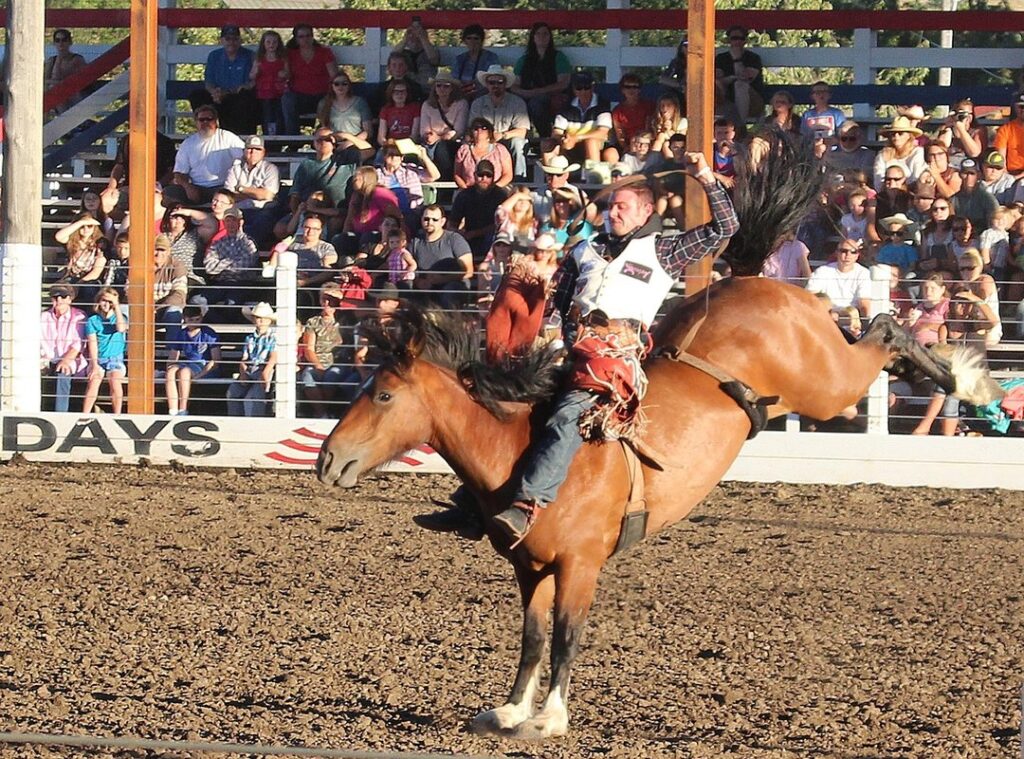
You hear the term “bucking hips” and wonder, what on earth does that mean? Bucking hips refers to a sharp, rhythmic, upward thrusting motion of the pelvis, driven by the glutes and lower back. It’s one of those movements that can leave you scratching your head.
But don’t worry, I’m here to break it down for you.
This article will explore the various meanings of this movement across different contexts, from dance and fitness to personal expression. We’ll dive into how to perform it safely and what it can communicate. Understanding body language like this is useful for better communication and self-awareness.
So, let’s get started!
Breaking Down the Movement: What Is a Hip Buck?
So, you’ve heard of hip bucking but aren’t quite sure what it is. Let me break it down for you.
A hip buck is a powerful, isolated pelvic movement. It’s not just a simple hip sway or circle. Think of it like the motion you use in a kettlebell swing or a glute bridge.
You get the idea?
The key muscle groups involved are the gluteus maximus, hamstrings, and core muscles for stabilization. These muscles work together to create that sharp, forceful action.
Now, let’s talk about the difference between a ‘buck’ and a ‘roll’ or ‘grind.’ A buck is more forceful and percussive. Imagine a quick, strong push rather than a smooth, continuous motion. That’s the essence of bucking hips meaning.
The range of motion can vary. Sometimes, it’s subtle and controlled, perfect for specific dance moves. Other times, it’s large and explosive, adding power and intensity to your performance.
It all depends on the context and intent.
Understanding these nuances can help you execute the move with precision and style.
Where You’ll See It: Common Contexts and Interpretations
Dance is one of the most common places you’ll see it. In styles like hip-hop, dancehall, and certain Latin dances, the movement expresses rhythm, power, and confidence. It’s a way to connect with the music and the audience.
- In Dance:
- Hip-hop: Expresses rhythm and power.
- Dancehall: Showcases confidence and energy.
- Latin dances: Adds flair and connection.
Moving on to fitness and exercise, the movement shows up in exercises like glute bridges, hip thrusts, and certain yoga poses. These moves help strengthen the posterior chain and improve hip mobility. It’s all about building strength and flexibility.
- In Fitness and Exercise:
- Glute bridges: Strengthen the glutes and hamstrings.
- Hip thrusts: Target the lower body.
- Yoga poses: Improve flexibility and core strength.
In the context of intimacy and attraction, the movement can be a non-verbal signal of enthusiasm, pleasure, or arousal. It’s a subtle but powerful way to communicate without words. But let’s be real, this can get a bit murky.
What one person sees as a sign of interest, another might interpret differently.
- In Intimacy and Attraction:
- Non-verbal signals: Enthusiasm, pleasure, or arousal.
- Communication: Subtle and powerful.
In physical therapy and rehabilitation, the movement is used to strengthen the core and pelvic floor muscles under controlled conditions. This is where it gets a bit technical, and I’ll admit, I’m not a physical therapist. So, if you’re looking into this for therapeutic reasons, definitely consult a professional.
- In Physical Therapy and Rehabilitation:
- Core strengthening: Under controlled conditions.
- Pelvic floor: Improved muscle tone.
The meaning of bucking hips is entirely dependent on the situation, intent, and cultural setting. It’s not inherently one thing or another. Sometimes, it’s just a natural movement, and other times, it carries more significance. bucking hips meaning
It’s all about context, and that can be tricky to pin down.
How to Perform the Movement Safely and Effectively
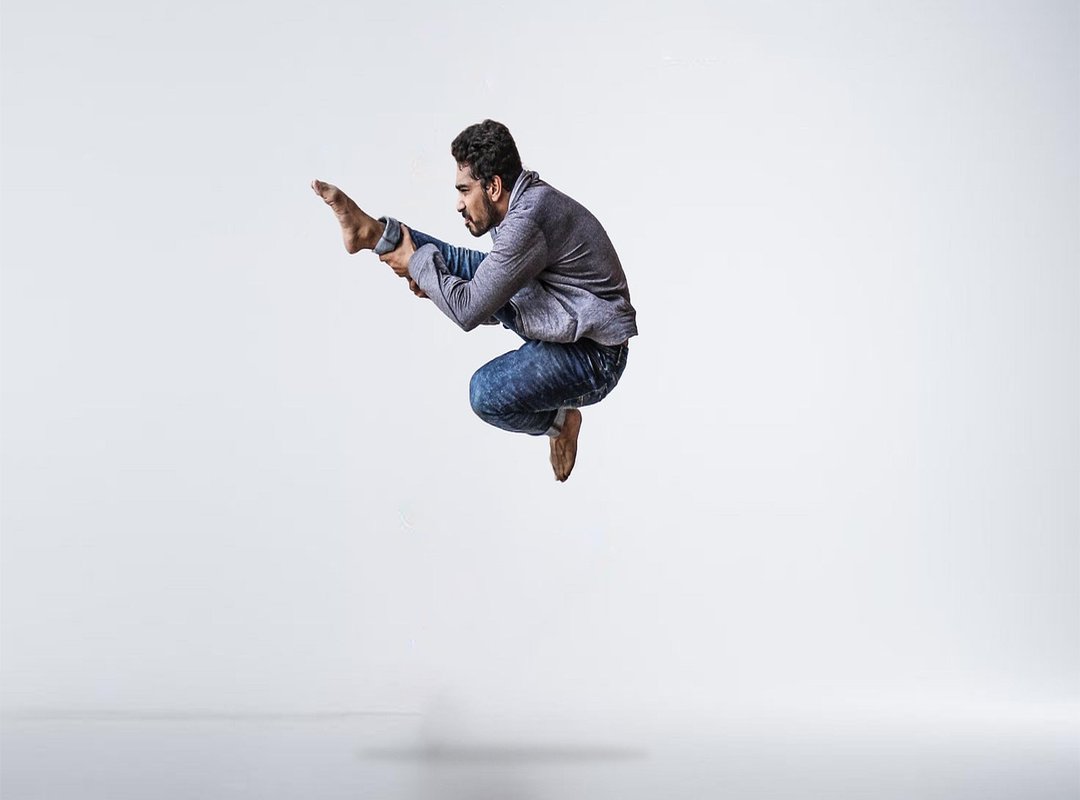
Let’s talk about the basic hip buck for fitness, also known as a floor bridge. It’s a great exercise for strengthening your glutes and core.
First, lie on your back with your knees bent and feet flat on the floor.
Engage your core. This is key to protecting your lower back. Imagine pulling your belly button toward your spine.
Now, drive the movement by squeezing your glutes. Push through your heels and lift your hips off the ground. Keep your shoulders and feet firmly planted.
Avoid overextending your lower back. This is a common mistake. You want to keep your spine in a neutral position, not arch it like a cat.
Another no-no: lifting with your back. This can lead to injury. The power should come from your glutes, not your back muscles.
Move slowly and with control. Quick, jerky movements won’t give you the benefits and might even hurt you.
Once you’ve mastered the basic form, you can add resistance. Try using a band or weights to increase the challenge. But only do this if you feel comfortable and have perfect form.
Listen to your body. If you feel any sharp pain, especially in your lower back or hips, stop immediately. It’s better to take a break than to risk an injury.
Remember, bucking hips means engaging your glutes and core, not straining your back. With practice, you’ll get stronger and more efficient at this movement.
The Psychology and Communication of Hip Movements
Hip movements are a form of powerful, primal body language. They often bypass verbal communication, speaking directly to our instincts.
- Expression of Confidence and Freedom
Hip movements can be an expression of confidence. They show freedom and being in tune with one’s own body and rhythm. When you move your hips, you’re not just dancing; you’re asserting yourself.
Body-centric communication is real. Movements can convey feelings or intentions more directly than words. A simple sway or a bold bucking hips meaning can say more than a long speech.
Cultural perceptions play a big role too. What might be seen as confident and free in one culture could be viewed differently in another. It’s all about context and understanding.
So, next time you see someone moving their hips, think about what they might be saying without saying a word.
The Takeaway: More Than Just a Movement
Bucking hips is a versatile and powerful pelvic movement whose meaning is defined entirely by its context. This action can be used as a functional exercise in the gym, enhancing core strength and stability. On the dance floor, it becomes an expressive move, adding flair and rhythm to performances.
Proper form and safety are crucial, especially when using the movement for fitness, to prevent injury. Understanding the nuances of body language can lead to better communication and physical awareness. Context is everything when interpreting this action.

 Ask Michelles Aultmanerics how they got into upcoming game releases and you'll probably get a longer answer than you expected. The short version: Michelles started doing it, got genuinely hooked, and at some point realized they had accumulated enough hard-won knowledge that it would be a waste not to share it. So they started writing.
What makes Michelles worth reading is that they skips the obvious stuff. Nobody needs another surface-level take on Upcoming Game Releases, Expert Insights, Player Strategy Guides. What readers actually want is the nuance — the part that only becomes clear after you've made a few mistakes and figured out why. That's the territory Michelles operates in. The writing is direct, occasionally blunt, and always built around what's actually true rather than what sounds good in an article. They has little patience for filler, which means they's pieces tend to be denser with real information than the average post on the same subject.
Michelles doesn't write to impress anyone. They writes because they has things to say that they genuinely thinks people should hear. That motivation — basic as it sounds — produces something noticeably different from content written for clicks or word count. Readers pick up on it. The comments on Michelles's work tend to reflect that.
Ask Michelles Aultmanerics how they got into upcoming game releases and you'll probably get a longer answer than you expected. The short version: Michelles started doing it, got genuinely hooked, and at some point realized they had accumulated enough hard-won knowledge that it would be a waste not to share it. So they started writing.
What makes Michelles worth reading is that they skips the obvious stuff. Nobody needs another surface-level take on Upcoming Game Releases, Expert Insights, Player Strategy Guides. What readers actually want is the nuance — the part that only becomes clear after you've made a few mistakes and figured out why. That's the territory Michelles operates in. The writing is direct, occasionally blunt, and always built around what's actually true rather than what sounds good in an article. They has little patience for filler, which means they's pieces tend to be denser with real information than the average post on the same subject.
Michelles doesn't write to impress anyone. They writes because they has things to say that they genuinely thinks people should hear. That motivation — basic as it sounds — produces something noticeably different from content written for clicks or word count. Readers pick up on it. The comments on Michelles's work tend to reflect that.